
Courtesy bias and the paranormal field
When it comes to the research side of the paranormal, courtesy bias can unintentionally skew the results. Let's say you are at a paranormal convention and someone is asking questions to prove a point. Do you answer honestly or do you answer with what you think the people surrounding you want you to say?
Don't let the courtesy bias define your place in the paranormal field.
When it comes to the research side of the paranormal, courtesy bias can unintentionally skew the results. Let's say you are at a paranormal convention and someone is asking questions to prove a point. Do you answer honestly or do you answer with what you think the people surrounding you want you to say?
What is Courtesy Bias?
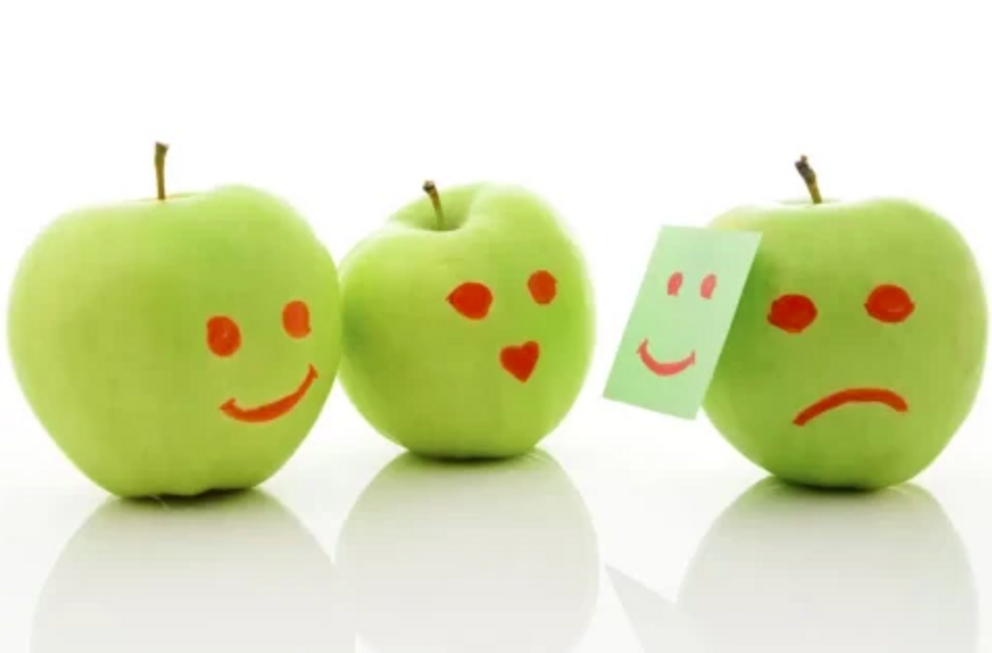
Courtesy bias is also known as social desirability bias. It is the tendency of individuals to provide a response that they believe to be socially acceptable or correct. Instead of revealing their true feelings. They may act and behave differently because they believe that is how they should be behaving in order to conform or fit in. People exhibiting courtesy bias generally aim to present themselves in a favourable light, avoid conflict in order to adhere to social norms and expectations.
Courtesy Bias and the Paranormal Field
Let’s say you are at a paranormal convention. A speaker speaks before the audience and asks a question, maybe trying to prove a point or put across their theory. They ask you a question. In that moment, do you answer honestly? What if you know your response goes against the majority of the room? Or do you give the answer you think the people around you want to hear? Maybe you are attending a public paranormal investigation and tour. If someone asks, “Can you feel that cold spot?” Everyone is nodding and looking at each other. The social pressure to conform, combined with the human desire to be polite, means that some participants may go along with it just to fit in, or they don't feel they can speak up. This doesn’t mean they are lying, it simply means they are influenced by the social situation.
For paranormal researchers, this creates a real challenge. If our data is based on courtesy bias, then our conclusions and perception may not actually reflect what really happened. Iinstead it is based on what people thought they were supposed to experience. It means there are likely false positives, suggestibility and groupthink making it harder to determine if a group really did all experience the same thing, or if they just think they did.
When it comes to parapsychology, this becomes an even more important point to consider. A psychic medium for example who is going through testing for say ESP will be under pressure to perform in order to maintain their credibility. Does it mean that their responses are then skewed because they are performing the way they think they should? Parapsychology experiments often involve respected researchers who are highly invested in a positive outcome. The test subjects may feel pressured even on a subtle level to provide answers that support the hypothesis rather than their actual perceptions. They want to please the tester, especially if they are someone they hold a lot of respect and regard for. Courtesy bias may explain why some parapsychology results seem impressive in one setting but can’t be replicated under stricter, 'blind' conditions. We already know that when there is less area for influence by politeness or social pressure, then the phenomenon doesn’t hold up when those social cues are removed. If researchers don’t account for courtesy bias, their results may appear flawed and open to further criticism. Critics can point to social pressure and bias as explanations for findings, even if genuine anomalies were present. When you have that element of doubt you cannot rule out, the holes in the process start to form.
Courtesy bias is just another checkbox on the long list of cognitive bias to be aware of. While you make think it doesn't really matter because it often comes from a place of wanting to be polite to fit in, but when it comes to paranormal research, it can distort our understanding. When people give the answer they think is expected rather than what they truly experienced, valuable data is lost and false patterns can emerge. It can in turn influence others, and all of sudden, we are quite literally writing our own ghost stories, being just that ..... a story. Recognising and addressing courtesy bias is essential if we want to move beyond stories that simply please the crowd and instead uncover insights that genuinely reflect people’s experiences. At the end of the day, honesty no matter how uncomfortable or unpopular brings us closer to the truth. Be yourself ..... everyone else is taken!
If you enjoy LLIFS, consider buying me a book (otherwise known as buy me a coffee but I don't drink coffee and I LOVE books). Your donation helps to fund the LLIFS website so everyone can continue to access great paranormal content and resources for FREE!