
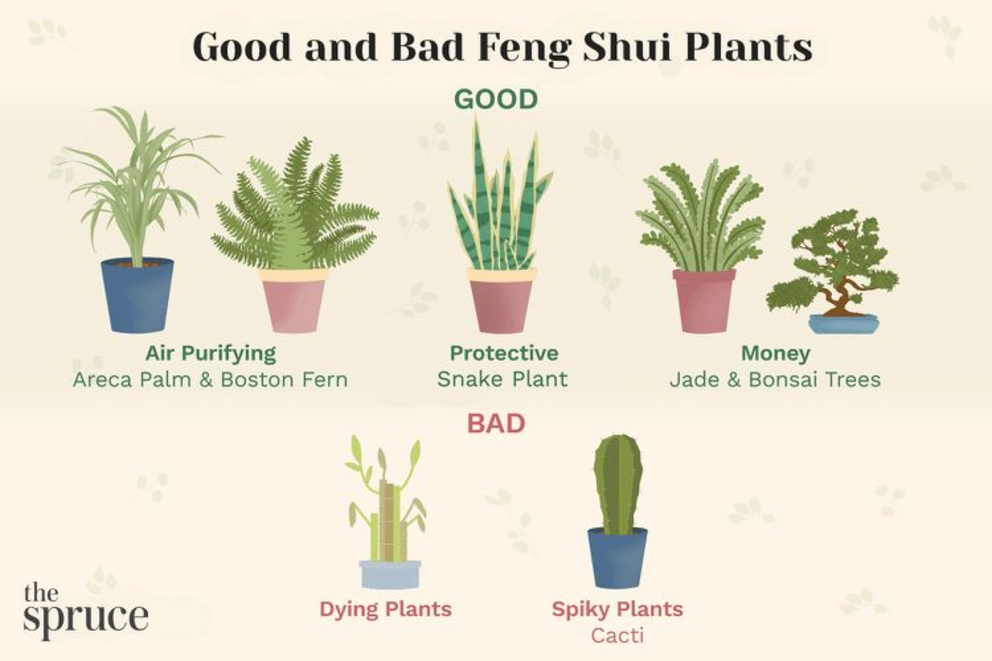
The 15 best feng shui plants to use in your home
Plus which plants to avoid
Besides improving the aesthetics of a space, plants invite the energy of nature into your home or office. And according to feng shui principles, houseplants can be nourishing for your personal energy. But when it comes to the best plants for positive feng shui energy, there are certain guidelines to follow.
Plants and Feng Shui
Decorating with living houseplants strengthens the energy of one particular feng shui element: wood. The wood element brings vital energy of growth and action into your space. It can also inspire compassion, kindness, and flexibility. Moreover, the color green—the shade of many plants—is associated with rejuvenation.
There aren't necessarily good and bad feng shui plants. After all, the key to feng shui is to see the interconnection between dualities. That said, some plants are more commonly recommended for feng shui applications, along with plants that can be challenging to use to bring in positive energy.
Plants and the Bagua
A simple way to use plants for feng shui applications is to locate them in specific bagua areas. The bagua is the feng shui energy map of your space, with each area being connected to an aspect of your life.
Here’s a quick overview of all the nine bagua areas and how a houseplant can improve the energy of that space.
- Family (Zhen): Houseplants in this bagua area can promote growth and support in your family life. Plants also can help spark the energy to get things moving if you’re feeling stuck in general.
- Wealth (Xun): The wealth area can benefit from a plant if you want to grow in abundance and attract more prosperity.
- Health (Tai Qi): If your wellbeing needs some extra support, a plant in the center area of your home can encourage restoration in all aspects of your life.
- Helpful People (Qian): Sometimes it’s hard to ask for help. A plant in the helpful people area can activate energies to invite support when and where you need it most.
- Children (Dui): Plants in the children area can encourage growth for any offspring or projects. If you have trouble finishing things, this is also a good area to add a plant.
- Knowledge (Gen): Houseplants in the knowledge area can support expansion of self-knowledge and self-cultivation.
- Fame and Reputation (Li): If you need to be seen and recognized, the wood element of a plant can fuel the fire element in your fame area and increase your visibility in the world.
- Career (Kan): Plants in the career area can encourage growth and expansion in your occupation. They can also provide a boost to your wisdom.
- Partnership (Kun): Plants in the partnership area are a good idea to cultivate kindness and flexibility in relationships.

Challenging Feng Shui Plants
In feng shui, there’s a concept of sha qi, or sharp energy. This is when attacking energy, often from sharp objects, is directed at your body, draining you of your personal energy. Thus, it's best to avoid pointy and spiky plants, such as a cactus, if you want to promote positive feng shui energy.
Furthermore, a dying and neglected plant also can cultivate draining energy. So before bringing any plants into your space, make sure you have the right environment (and the time) to keep them healthy. Also, remove any browning portions of a plant promptly.
Finally, using fake plants to promote good feng shui energy can be a bit tricky. You must find high-quality fake plants to receive any benefits. They should look so realistic that you have to touch them to confirm they are fake.
The Best Feng Shui Plants
In general, most plants are great for feng shui, as long as you care for them well. Plants with soft and rounded leaves are typically best, as they promote a gentle, nourishing energy.
Here are some of the best plants to include in your home when planning feng shui.
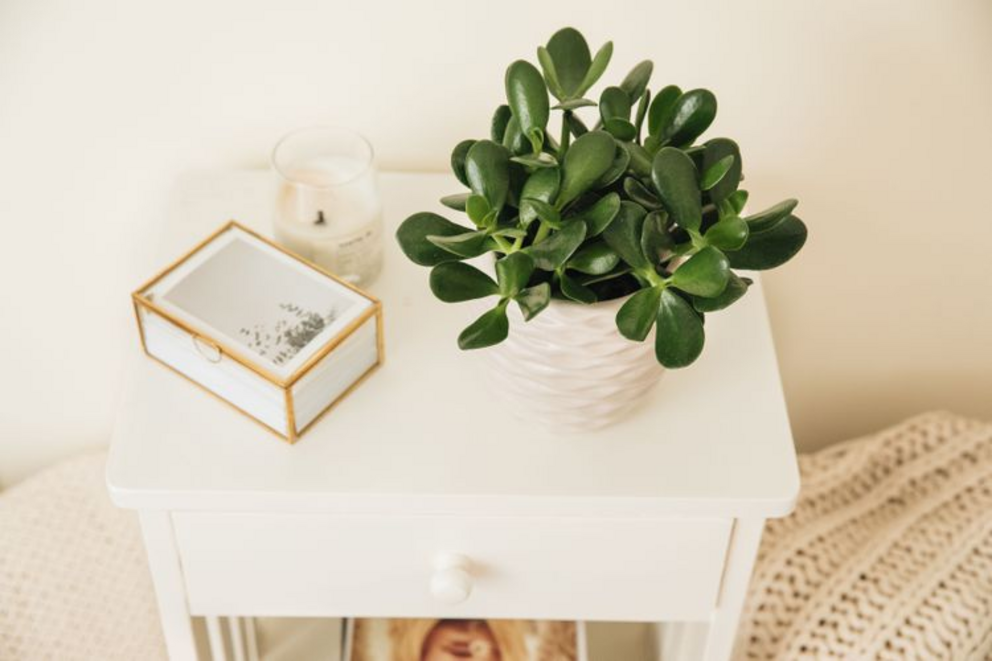
Also referred to as a money plant, the jade (Crassula spp.) succulent features many rounded leaves. This gives the plant a soft, lush appearance, which helps bring in the serene, calm energy that jade is known for.
- Soil: Well-drained, neutral, acidic
- Light: Full sun
- Water: Keep soil moist but not soggy during growing season
- Mature Size: Up to 5 feet tall
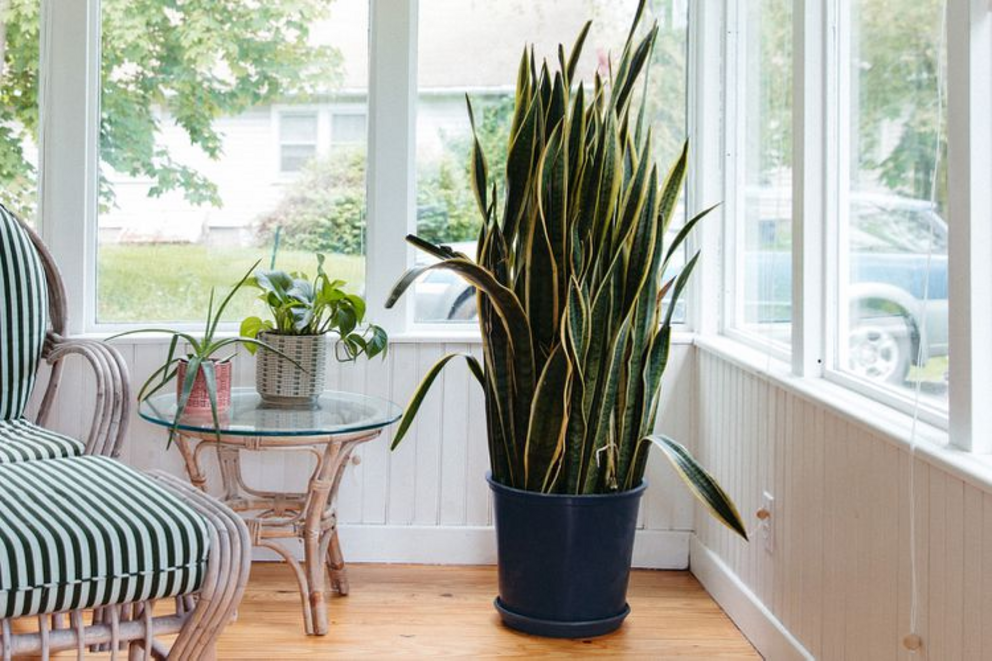
The snake plant (Nephrolepis exaltata) is a great plant for beginners. Although it might appear sharp, it also has a quality of protective energy. There are many types of snake plants within the Dracaena genus, ranging from ones with tall and narrow leaves to some with short and wide leaves.
- Soil: Sandy, well-drained, slightly acidic to slightly alkaline
- Light: Bright, indirect light to low light
- Water: Water when soil feels completely dry
- Mature Size: Up 3 feet tall
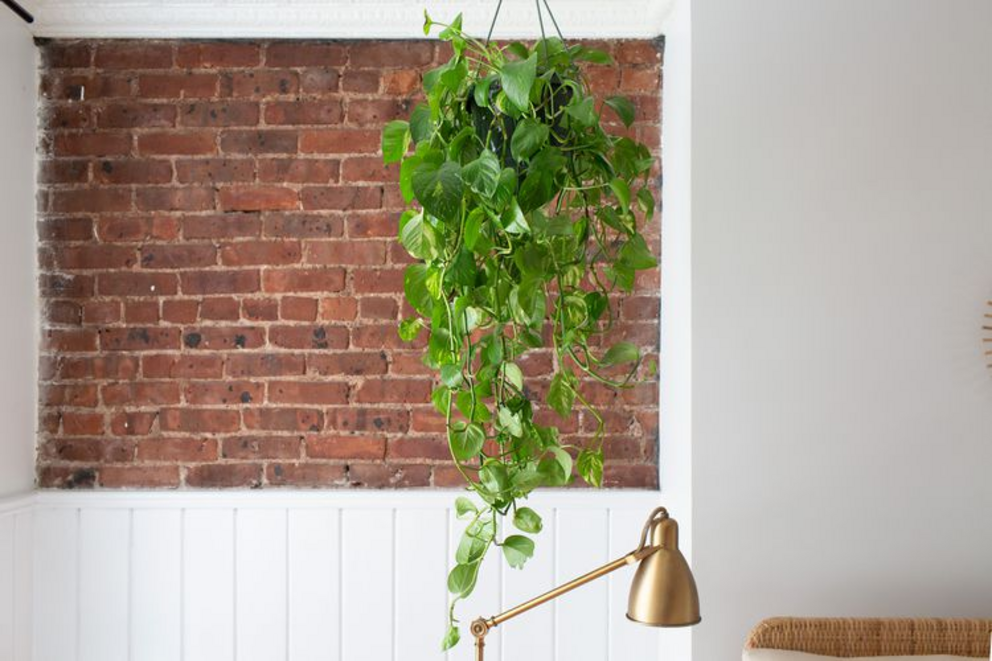
The golden pothos (Epipremnum aureum) is easy to care for and fun to propagate. It grows lush, trailing vines with heart-shaped leaves. It's said to bring not only positive energy but financial prosperity as well.
- Soil: Moist but well-drained, neutral to slightly acidic
- Light: Most light conditions are fine
- Water: Water when top 2 inches of soil are dry
- Mature Size: Vines can grow up to 10 feet long
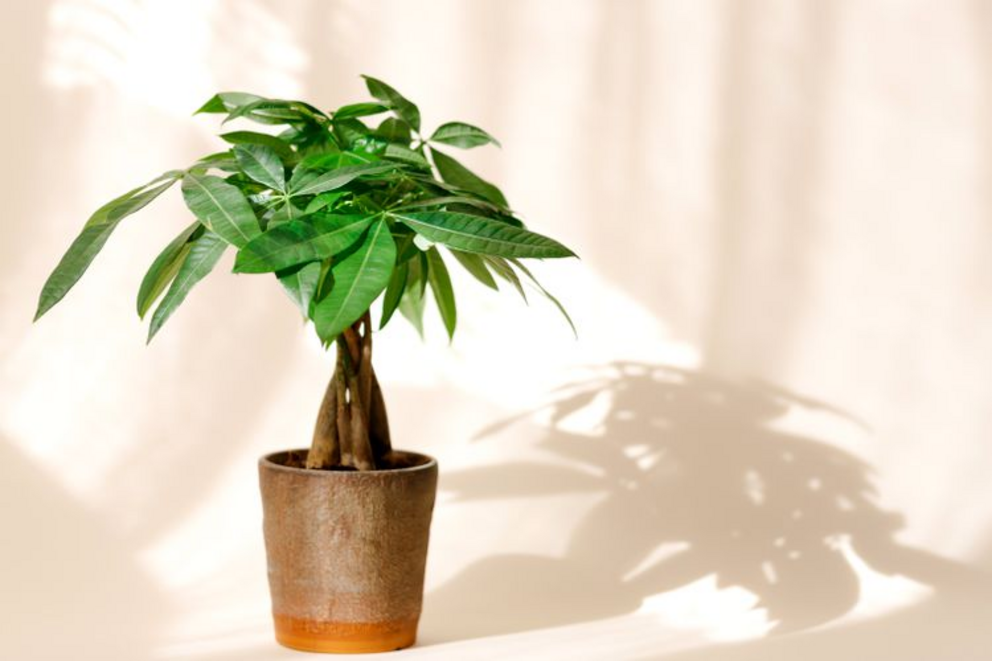
Money trees (Pachira aquatica) are believed to bring good fortune and wealth. Plus, the beautifully braided trunk makes the plant a lovely statement piece. While the plant is a slow grower, it is fairly easy to care for.
- Soil: Moist but well-drained, acidic to neutral
- Light: Bright, indirect light but will do okay in shade
- Water: Water when the top 2 inches of soil are dry
- Mature Size: Up to 8 feet tall
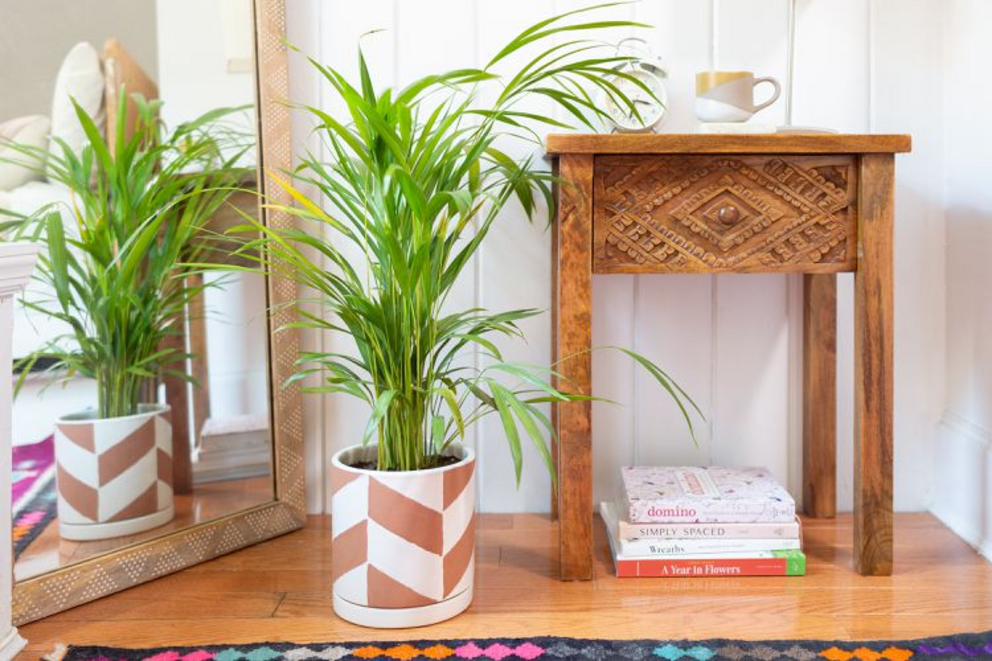
The areca palm (Dypsis lutescens) can grow larger than many other houseplants, and it has lovely, fan-like leaves. It needs bright, indirect light to thrive. If you want to fend off bad energy and usher in the good, this is the plant to invite into your home.
- Soil: Moist but well-drained, acidic, neutral
- Light: Full to partial sun
- Water: Water when soil dries out
- Mature Size: Up to 7 feet tall
For the rest of this article please go to source link below.