
From inside out: exploring the intriguing inclusions in gemstone
Gemstone inclusions, far from being mere imperfections, are fascinating materials or voids within a gemstone that deviate from its primary compositio
Traditionally perceived as flaws, these unique features actually imbue gemstones with an unparalleled depth of character, a distinctive uniqueness, and a captivating story that traces back to their geological origins.
The intricate mosaic of inclusions not only enhances the aesthetic appeal of gemstones but also elevates their value in the eyes of collectors and gemstone enthusiasts . Each inclusion serves as a narrative of the gemstone's journey from the depths of the Earth to its final form, making them not just objects of beauty, but also of profound historical and geological significance.
Different Type of Gemstone Inclusions
Inclusions form during the gemstone's crystallization process in the Earth's crust. The conditions under which gemstones form are rarely pure and static; thus, inclusions are common. They can provide valuable information about the conditions under which the gemstone formed, acting as a geological fingerprint.
Mineral Gemstone Inclusions
These occur when different minerals are trapped inside the gemstone during its formation. For example, rutile needles in sapphires (known as "silk") can enhance the stone's value by contributing to phenomena like asterism (star effect).
Every inclusion affects a gemstone’s value differently, but rutile inclusions generally increase value. Particularly when dealing with the velvety silk rutile inclusions.
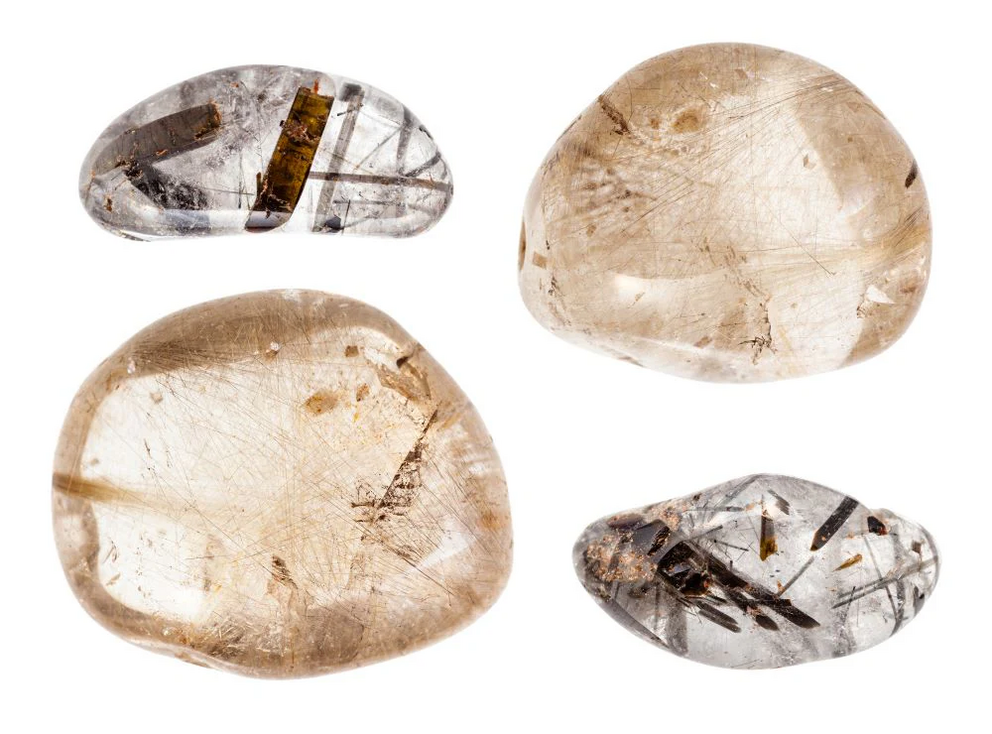 Rutilated Quartz
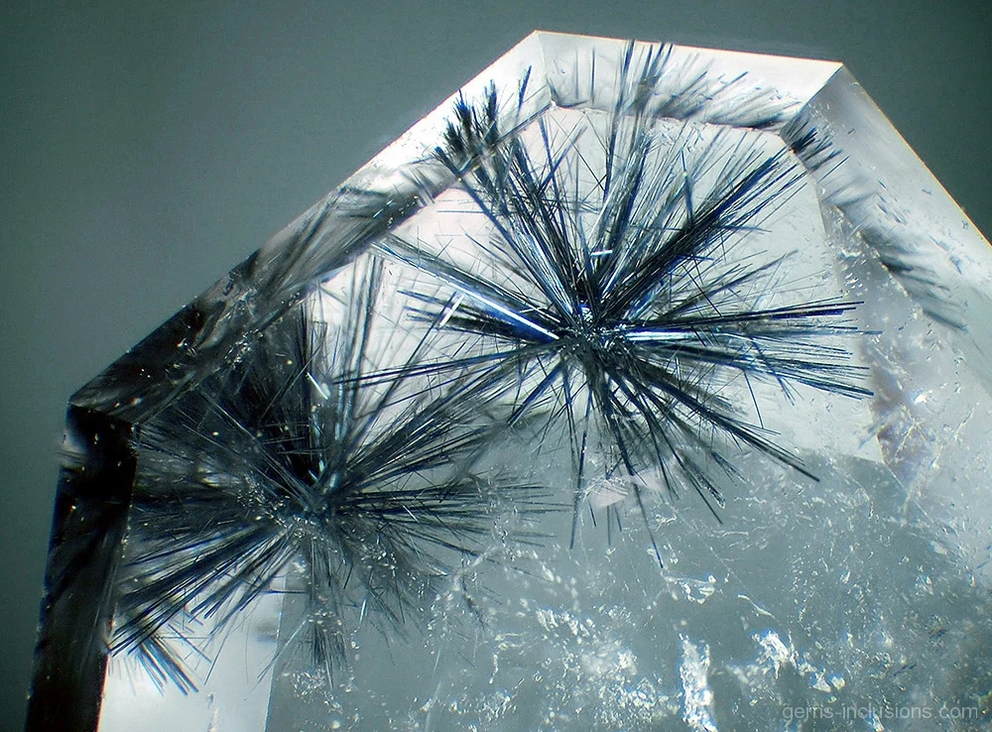 Hollandite star in quartz from Madagascar.
Fluid Gemstone Inclusions
Fluid Gemstone Inclusions, also known as enhydros, represent a captivating category of inclusions consisting of tiny pockets or cavities within the gemstone that encapsulate liquid, gas, or a combination of both. These miniature reservoirs can often contain water or other fluids that were present during the gemstone's formation, effectively trapping a moment of geological time within the crystal lattice.
Enhydros form under specific conditions when the gemstone crystallizes around a droplet of liquid, encapsulating it as the crystal grows. This process can occur in environments where the temperature and pressure conditions fluctuate, allowing for the inclusion of fluids into the forming crystal structure.
The presence of enhydros within a gemstone can significantly influence its cost value, adding a layer of rarity and uniqueness that is highly prized by collectors and gem enthusiasts alike. Gemstones with visible enhydros are considered exceptional because they not only display beauty and color but also offer a glimpse into the geological processes that contributed to their formation. This unique feature can transform an already valuable gemstone into a rare collector's item, commanding higher prices in the market.The value attributed to gems with enhydros stems from several factors:
Rarity and Uniqueness: Enhydros are relatively rare, and finding gemstones with clearly visible and intact fluid inclusions is even rarer. This rarity enhances the gemstone's appeal and value to collectors who seek unique specimens for their Collections.
Scientific Interest: Gems with enhydros hold significant scientific value because they provide insights into the Earth's geological history and the conditions under which the gemstone formed. This scientific intrigue can add to the gemstone's market value, especially among academically inclined collectors.
Aesthetic Appeal: The visual appeal of a moving bubble or a liquid inclusion within a gemstone can add to its aesthetic value. Enhydros can create a point of interest and conversation, making the gemstone more desirable to those who appreciate its beauty and the story it tells.
Collector's Market: The collector's market for gemstones with enhydros is robust, with enthusiasts willing to pay a premium for specimens that display this rare feature prominently and beautifully.
Gas Gemstone Inclusions:
These are gas bubbles often seen in glasses or crystalline materials that have solidified from melted substances. In this process, the substance solidifies from a gas state, trapping gas bubbles within. These bubbles typically have spherical or elongated rounded shapes, which are common in natural glasses like obsidian, moldavite, and Libyan glass, as well as in man-made materials like artificial glass and synthetic versions of natural gems, such as Verneuil ruby and sapphire.
Unlike fluid inclusions, which can lead to recrystallization and form different shapes, gas bubbles stay perfectly round, making them easy to identify. They can appear alone or in groups, forming patterns that resemble galaxies, clouds, or veils of bubbles in various sizes.
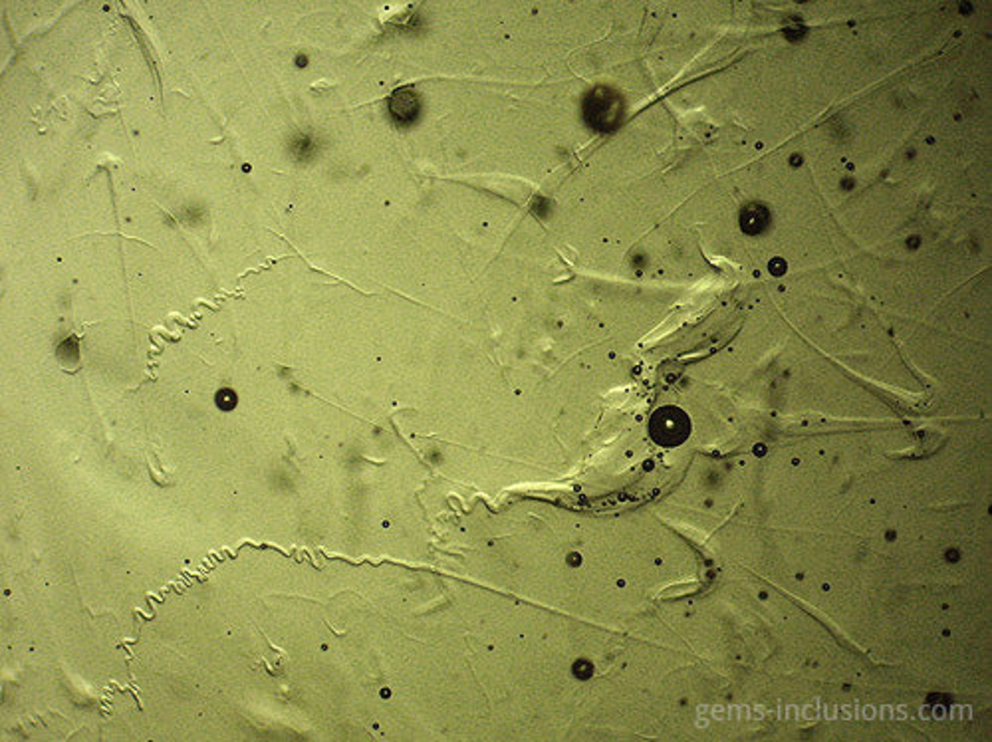 Bubbles and swirls as inclusions in natural moldavite from Czech Republic.
Growth Features Inclusions in Gemstones
Growth features within gemstones serve as fascinating markers of their natural formation journey, showcasing the dynamic conditions under which these precious stones develop. These inclusions are not mere imperfections but rather telltale signs of the gemstone's evolutionary process, offering insights into the environmental factors and geological timeline of its creation.
Zoning: This phenomenon is characterized by visible variations in the gemstone's color or transparency, creating distinct layers or bands that reflect changes in the conditions during the gemstone's growth. Zoning occurs when there are fluctuations in the availability of minerals or changes in temperature and pressure, leading to the formation of these unique patterns. This feature not only adds to the aesthetic appeal of the gemstone but also provides valuable information about its geological history.
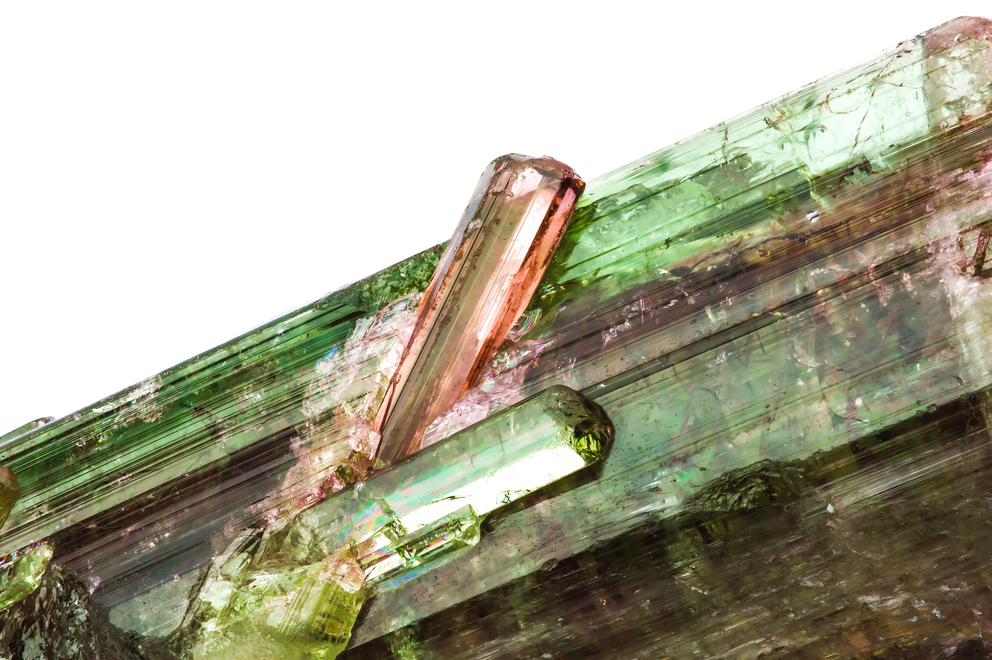
Different types of zoning inclusion patterns:
Concentric Zoning Explored Concentric zoning showcases mesmerizing rings of color, encircling the gemstone's heart in layered circles. This captivating pattern is especially prevalent in agates, like the renowned Lake Superior Agate, presenting a natural spectacle of organized beauty.
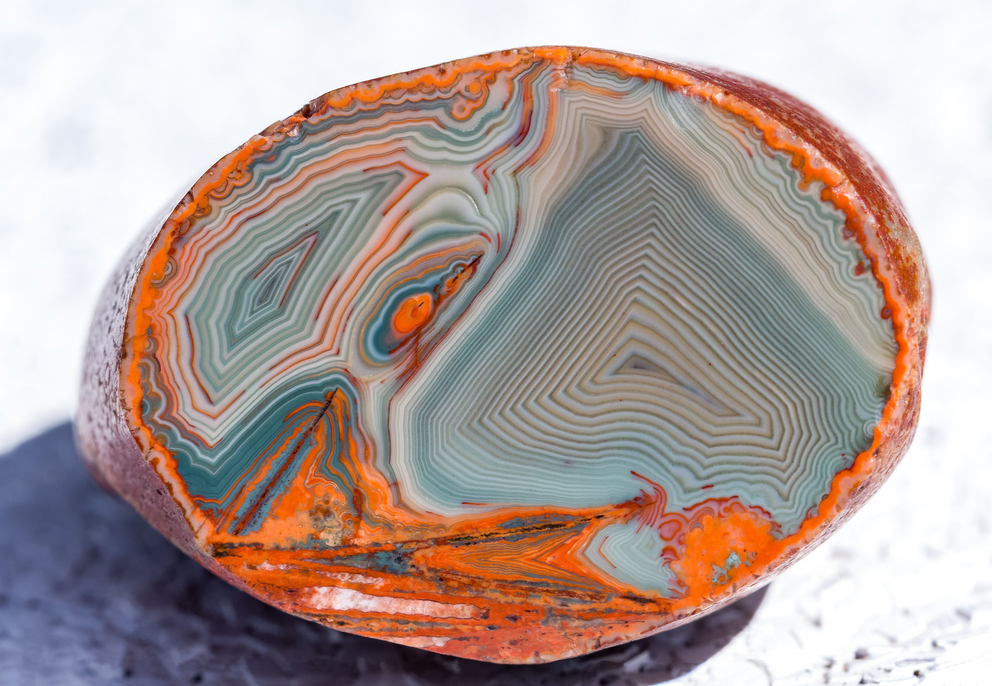 Concentric Zoning in Superior Agate
The Geometry of Angular Zoning Angular zoning brings a distinctive twist, where the gemstone's hues follow precise geometric shapes or angles. This intriguing pattern graces stones like ametrine and tourmalines, including the visually striking Watermelon Tourmaline, offering a geometric marvel in natural form.
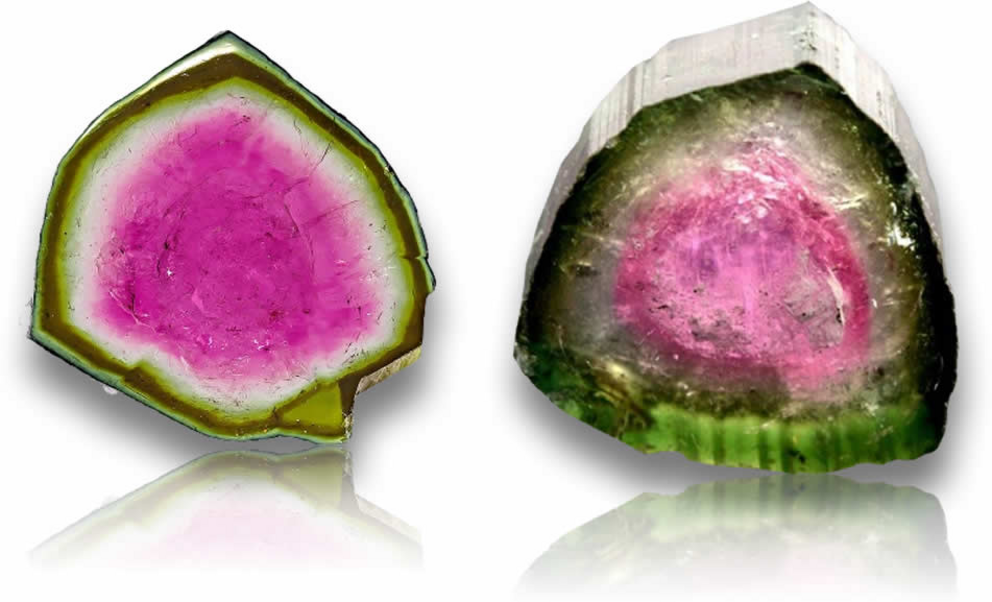 angular zoning inclusions in watermelon tourmaline
For the rest of this article please go to source link below.