
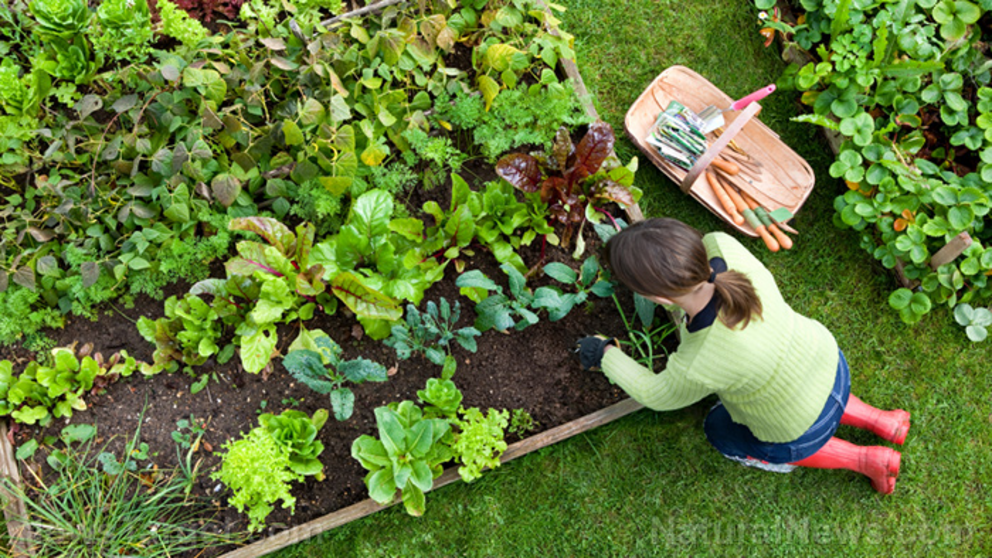
How to grow your own survival garden
Gardening is beneficial for preppers because it gives access to fresh produce grown without harmful pesticides and other chemicals. It’s also a great hobby if you want to start preserving excess fruits and vegetables for selling or to add to your stockpile. (h/t to Almanac.com)
Choose the right location for your garden
Here are some tips for choosing a good gardening site:
Find a sunny spot
This is crucial because many vegetables need at least six to eight hours of direct sunlight daily. Some, particularly leafy vegetables, will tolerate some shade.
Chose a stable location that’s not windy
Avoid locations that receive strong winds that could knock over young plants or prevent bees and other pollinators from doing their job.
You also want to avoid a location that receives too much foot traffic or floods easily.
Plant in nutrient-rich soil
The soil feeds your plants, and if you grow crops on thin, nutrient-poor soil, your plants will be poor and unhealthy.
Add organic matter to grow strong and healthy plants.
Plant in soil that drains well and doesn’t stay wet
If you only have poorly draining soil where water pools, plant your crops in a raised bed or raised row for improved drainage.
Wet soil means wet roots, which can result in rotted roots.
If you are stuck with rocky soil, till and remove the rocks because they will interfere with root growth and produce weaker plants.
Start with a small and manageable plot
If starting a garden feels overwhelming, make things easier for yourself and start with a small garden that will be manageable, especially if you are a beginner.
Plan your garden before you plant anything, and start small. Focus on plants that are easy to grow and that you are sure your family will eat.
When planting in the ground, having a 10×10-foot garden (100 square feet) should be manageable. Choose at least three to five of your favorite vegetables and buy three to five plants of each one.
For a raised bed, a 4×4-foot or 4×8-foot one is a good size for a beginner.
After you decide on how big your garden is going to be, leave spacious paths that give you access to your plants so you can weed and harvest. You should be able to easily reach the row or bed center without stepping on the soil.
Grow the right vegetables
Beginners should start by growing vegetables that are productive. If you’re not sure, call your state’s Cooperative Extension Service to confirm what plants grow best in your area.
Here are some of the easiest vegetables to grow for beginners. Most are best started by seeds planted directly into the soil unless specified:
- Beets
- Cabbage
- Carrots
- Chard, kale, or spinach
- Garlic
- Green beans
- Lettuce
- Onions
- Peas
- Peppers (by transplant, i.e. small nursery plant)
- Potatoes
- Radishes
- Squash
- Tomatoes (by transplant, i.e. small nursery plant)
- Zucchini
Plant flowers, such as marigolds, to naturally discourage pests and attract pollinators to your garden.
When choosing vegetables, choose crops that your family likes to eat. You should also be realistic about how many vegetables your family will eat when SHTF.
Don’t overplant because this can make you feel overwhelmed if you need to take care of too many plants.
Learn how to care for plants throughout the growing season.
Lastly, use high-quality seeds so you don’t waste time and money on your garden.
For the rest of this article please go to source link below.
For full references please use source link below.