
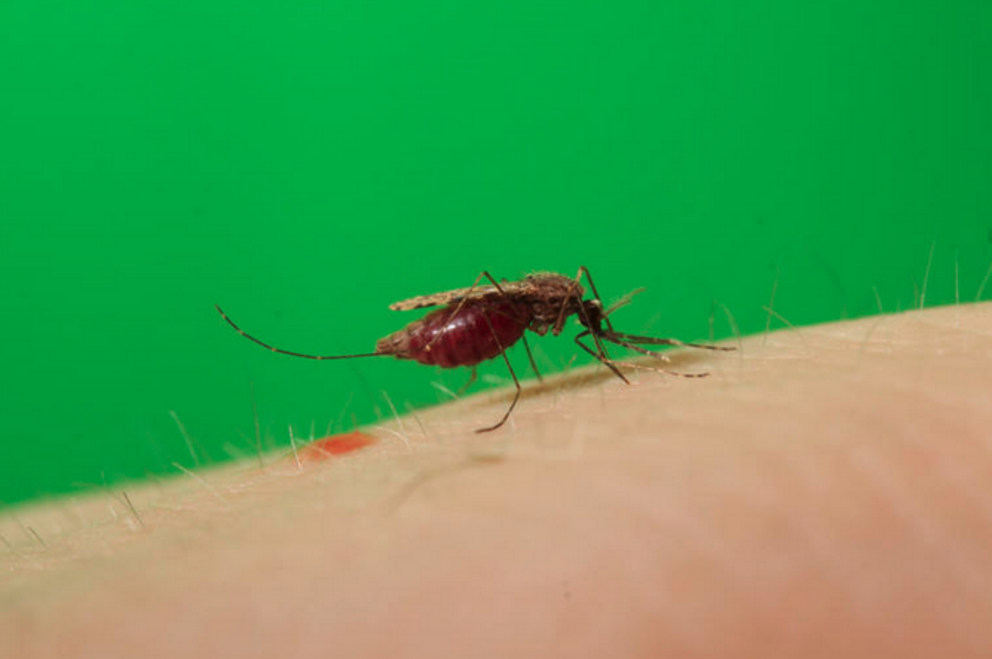
How mosquitoes use your body chemistry to pick you for their next meal
Story by Carolyn Y. Johnson
To unravel the age-old question of why mosquitoes eat some people alive but spare others, scientists built a large, open-air arena in Zambia and piped in the smells of a half-dozen humans slumbering in nearby tents. They discovered that malaria-carrying mosquitoes, like the ones that carry yellow fever, are drawn to specific chemicals found on people’s skin.
They also identified a lucky individual whose distinctive body odor appeared to be relatively unappetizing, opening up a new avenue in the search for ways to deter bites.
At close range, mosquitoes use visual cues and body warmth to seek their prey. But when they’re out of visual range — which could be a few dozen feet away — they are thought to track carbon dioxide and other chemicals found in body odor and breath. The precise mixture that mosquitoes find most compelling remains an area of active research.
Experiments on mosquitoes are typically conducted in relatively small boxes or wind tunnels free from the aromatic cacophony of the real outdoors. But such experiments tend to mimic mosquito decision-making at close range. So scientists built a huge new arena to get to the root of mosquitoes’ human-seeking instincts in the wild.
For the rest of this article please go to source link below.