
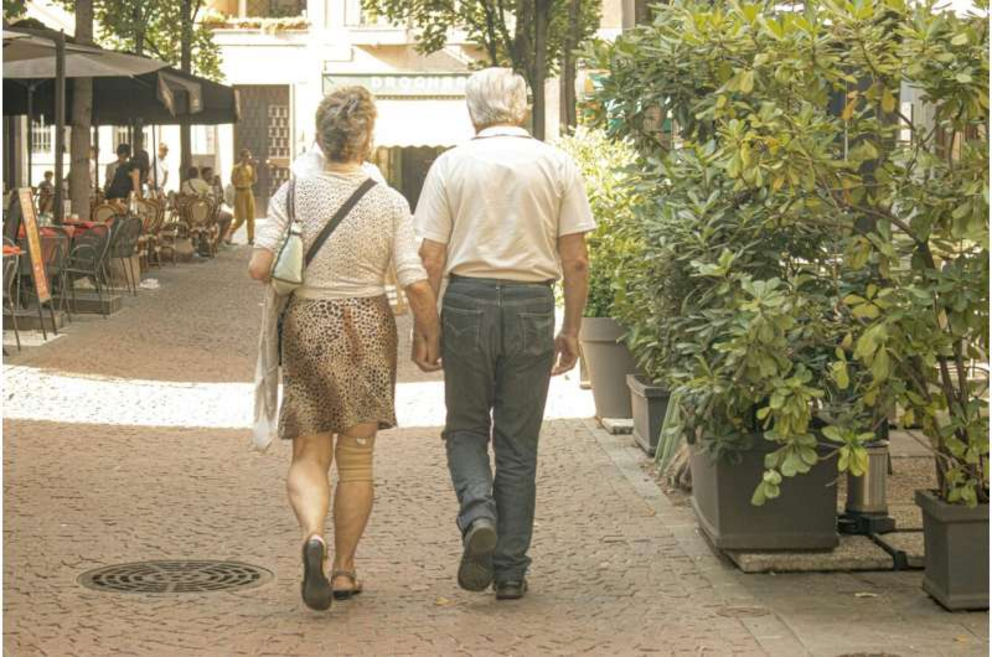
What do Sardinia's Blue Zone elders do differently that helps them age so well physically and mentally?
Openness, conscientiousness, and agreeableness were linked to better psychological well-being.
People are living longer than they did at the turn of the 20th century, but living well into old age depends on more than a healthy lifestyle. Scientists say it is also shaped by how we think, adapt and connect with others.
In the early 2000s, scientists first identified certain locations where the residents not only live long lives but also healthy ones with a high quality of life. They called these regions the Blue Zones, which include central-eastern Sardinia (Italy), Okinawa (Japan), Ikaria (Greece) and Nicoya (Costa Rica).
In a recent study, researchers wanted to figure out whether personality traits, along with lifestyle factors, set people of the Sardinian Blue Zone apart from those in neighboring rural areas and contribute to their successful aging.
After following 125 community-dwelling adults ages 71–101 from the Sardinian Blue Zone and a nearby non-Blue Zone, the researchers found that those living in the Blue Zone scored significantly higher on openness to experience.
They were more curious, more willing to try new activities and showed greater emotional competence, which is the ability to understand and share their feelings with others. Their daily routines reflected this mindset. On average, they spent 11.3 hours a week on hobbies and mentally stimulating activities, like reading and gardening, compared with 6.8 hours among older adults living in the nearby rural area.
The results showed that neuroticism, a tendency toward anxiety, depression, self-doubt and other negative feelings, was the personality trait most clearly linked to worse health-related quality of life (HRQoL) in this sample.
The findings were published in the International Journal of Applied Positive Psychology.
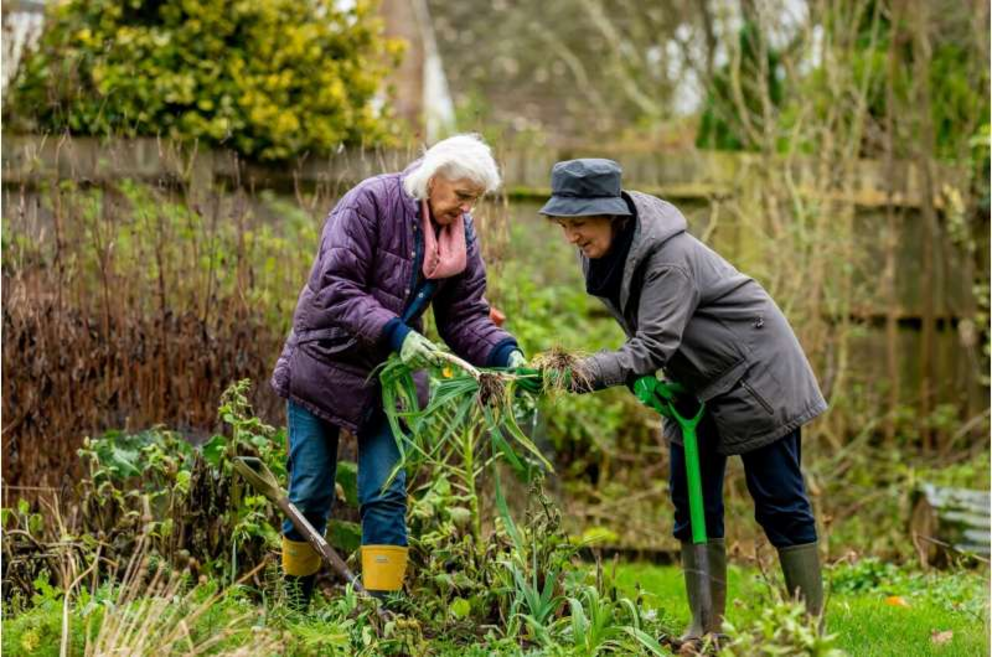 Blue Zone participants also spent more time in leisure activities that are cognitively or physically stimulating.
Secret to better quality of life
Living a long life is only part of the story. What really matters is living those years with a good quality of life. But what does quality of life actually mean? The answer depends on who you ask.
Psychologists, health care professionals, economists and international development researchers all view it through different lenses, making a single universal definition difficult.
One of the most widely used definitions comes from the WHO, which defines it as "an individual's perception of their position in life in the context of the culture and value systems in which they live and in relation to their goals, expectations, standards and concerns."
Since health-related quality of life often declines with age, researchers are searching for the factors that allow some people to age successfully while maintaining their well-being. So they turned to decoding the clues hidden within the world's Blue Zones. While previous studies looked at things like diet, exercise or temporary mental states, the psychological factors that contribute to successful aging remain poorly understood.
In this study, the researchers set out to answer two main questions: Does the personality profile of older adults living in the Sardinian Blue Zone differ from that of older adults in a nearby rural area? How are the Big Five personality traits—extraversion, agreeableness, conscientiousness, neuroticism and openness to experience—linked to health-related quality of life among older adults living in the Blue Zone?
The team visited each person individually in a quiet room in his or her own home to collect information that would help measure mental sharpness, personality, mental well-being, health and hobbies.
The results showed that Blue Zone residents handled daily problems with more effective coping strategies. This stress-management skill was also linked to a better sense of overall health. Across both groups, certain traits stood out as true recipes for happiness. People who were organized and responsible (conscientious) or kind and cooperative (agreeable) reported feeling more satisfied with life.
The two groups did not differ much in their ratings of HRQoL. However, people who were more prone to negative moods or stress felt that their physical health was worse.
The researchers note that their findings support the Selective Optimization with Compensation (SOC) model, which proposes that Blue Zone residents may be better at recognizing their limitations, focusing on activities they can still do well and using coping skills to manage losses.
A combination of adapting to change and maintaining a positive outlook might be helping them navigate everyday challenges while preserving their emotional well-being as they age. One doesn't have to live in a Blue Zone to start adopting these generally helpful strategies and boost quality of life.
More information
Maria Chiara Fastame et al, Health Related Quality of Life and Personality Characteristics for Aging Well: Evidence from the Sardinian Blue Zone, International Journal of Applied Positive Psychology (2026). DOI: 10.1007/s41042-026-00313-w