
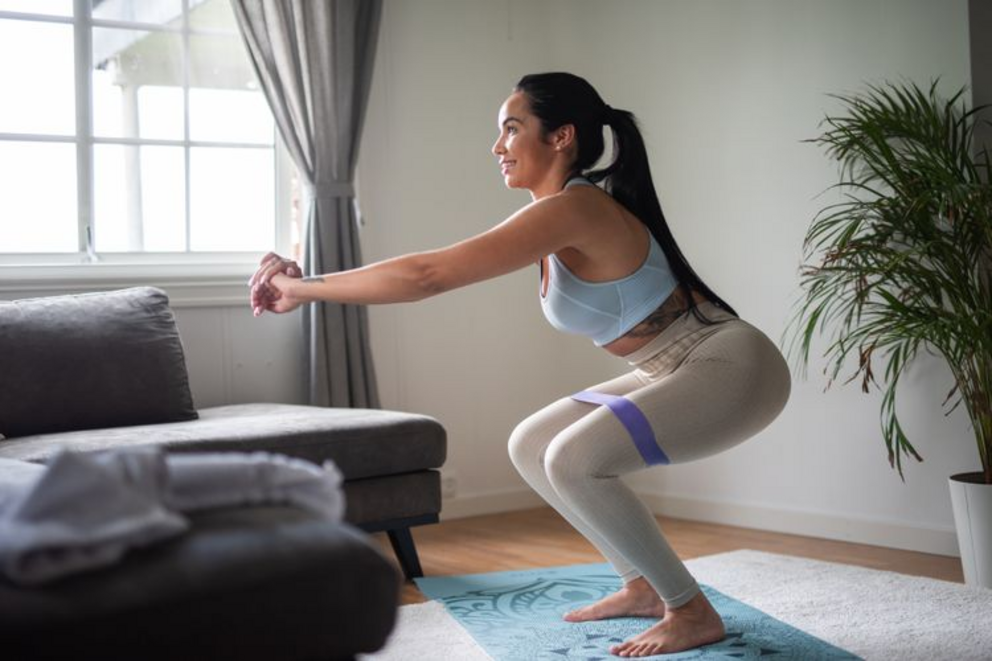
The simple exercise that lowers your blood sugar fast - and it’s not walking
Doing squats after a meal can help lower blood sugar.
Key Takeaways
- Doing 10 to 15 squats shortly after eating can help lower blood sugar.
- It helps by engaging the large leg muscles and clearing glucose from the bloodstream.
- Moving within 15 to 30 minutes after a meal, regardless of the type of activity, provides the greatest benefit for blood sugar control.
Moving your body after eating can help lower your blood sugar. Going on a quick walk is often recommended, but other forms of movement can also help—including squatting.
Do Squats Help Lower Blood Sugar?
Certain simple exercises have been found to help lower blood sugar after eating.
“Squats can be an effective way to lower blood sugar after a meal,” Jessica C. Tomazic, MD, CAQSM, a sports and exercise medicine physician at Cleveland Clinic, told Verywell. “Studies have found that simple bodyweight exercises, including squats, improve blood sugar control and can be nearly as effective as walking.”
Moving after a meal is one of the simplest ways to help control blood sugar, Tomazic said. “Research shows that physical activity after eating helps reduce the rise in blood sugar that naturally occurs when we consume carbohydrates. When your muscles contract, they pull glucose, or sugar, out of the bloodstream and use it for energy,” she added.
How Many Squats Do You Need to Do?
It likely won’t take long to do enough squats to make an impact. Some research has shown that blood sugar can improve after just two minutes of movement, according to Tomazic.
“As few as 10 to 15 squats or chair stands can make a difference,” Tomazic said. “The goal isn’t to exhaust yourself—it’s simply to get your muscles working and help your body use some of the glucose that just entered the bloodstream.”
If squats aren’t your favorite, other types of bodyweight exercises could also be helpful.
Timing Matters More Than the Activity
A randomized trial found that doing bodyweight exercises or walking immediately after eating improved glucose variability.1
“A short bout of bodyweight squats after eating is a reasonable and accessible strategy for blunting glucose spikes, especially if you cannot easily go for a walk in an office setting,” Suma Gondi, MD, an endocrinologist at Mount Sinai, told Verywell.
The timing seems to matter more than the type of exercise you do. “Moving within about 15 to 30 minutes after a meal seems to provide the greatest benefit,” Tomazic said.
For full references please use source link below.