
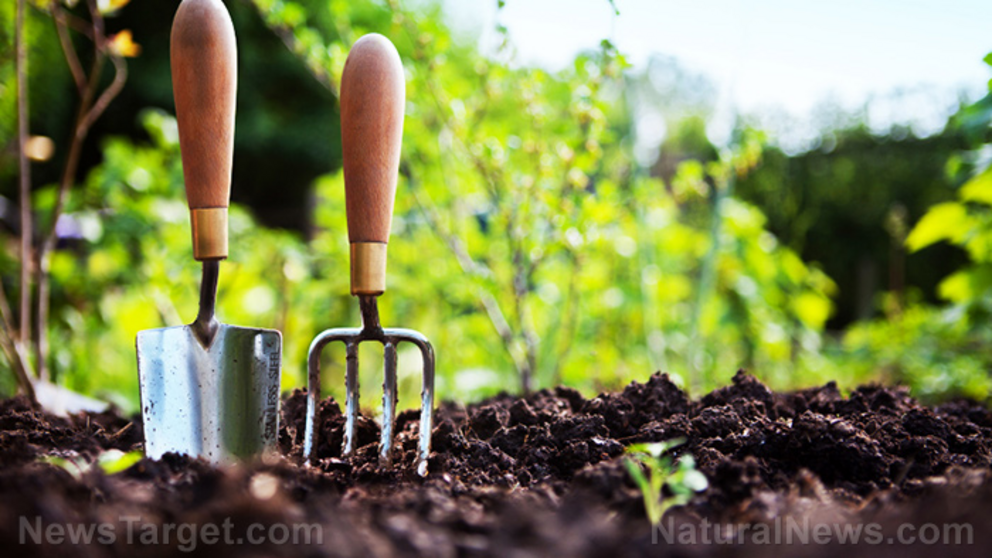
Study: gardening offers physical and mental health benefits for cancer survivors
Gardening is a fruitful and rewarding hobby that not only leads to food security, but also to a healthy mind and body.
A randomized clinical trial conducted by researchers at the University of Alabama at Birmingham, in cooperation with certified master gardeners, found that tending to a garden can significantly benefit cancer survivors, who are prone to accelerated functional decline. This form of physical exercise proved helpful in improving their physical performance as well as their diet by encouraging increased fruit and vegetable consumption.
Vegetable gardening improves health of cancer survivors
Cancer survivors are considered by experts to be a vulnerable population, with an elevated risk of developing a second cancer or another chronic disease like heart disease or diabetes. Research shows that despite improvements in their survival rate, over two-thirds of cancer survivors end up developing a chronic condition, thanks in large part to cancer and the harsh treatments they undergo.
Cancer treatments like chemotherapy, radiation therapy, immunotherapy and surgery also tend to speed up biological aging processes, causing cancer survivors to age faster than cancer-free individuals and experience accelerated functional decline. Because of these risks, researchers are on the lookout for ways to help cancer survivors improve their health and quality of life while reversing or decelerating the aging process.
In a recent review published in the journal PLOS One, researchers analyzed studies involving a total of 1,046 older adults and reported that horticultural therapy (gardening) can improve quality of life, physical function and mood. This corroborated the results of the first Harvest for Health feasibility trial initiated over a decade ago, which explored the effects of gardening on the diet, physical activity and physical functioning of 12 cancer survivors residing in Jefferson, Alabama.
The trial found that aside from being feasible and well-received, the mentored gardening intervention improved strength, agility and endurance in 90 percent of the participants, along with fruit and vegetable consumption and physical activity. Because of these promising results, the study was expanded to include breast cancer survivors living in Birmingham, Alabama, then older survivors of various cancers living across the state.
From May 11, 2016 to May 2, 2022, researchers conducted a two-arm randomized clinical trial at cancer survivors’ homes across Alabama. Published in the journal JAMA Network Open, the study involved 381 Medicare-eligible cancer survivors, 194 of which were randomly assigned to the gardening intervention (Harvest for Health) while 187 were waitlisted and served as control for comparison.
Those assigned to vegetable gardening were given gardening supplies and received biweekly mentorship for a whole year on how to maintain spring, summer and fall gardens from volunteer master gardeners certified by a cooperative extension. Participants who were waitlisted eventually received an identical intervention after 12 months. During the trial, researchers assessed the participants’ self-reported vegetable and fruit consumption, physical activity and physical function by evaluating their plasma a-carotene levels, accelerometry and physical performance, respectively.
The researchers reported an increase in fruit and vegetable consumption – about one-third of a serving per day – among cancer survivors who took up gardening. Compared to the waitlisted participants, the group also experienced improvements in physical performance, perceived health and gut microbiome alpha diversity. A promising predictor of health, low levels of gut microbiome alpha diversity is associated with several acute and chronic diseases.
“Given associations of perceived health with mortality and of sustained higher levels of alpha diversity with decreasing risk of heart disease, diabetes, sarcopenia, and obesity (conditions prevalent among cancer survivors), these effects are noteworthy,” noted the researchers in their report.
Wendy Demark-Wahnefried, lead author of the study, also emphasized that “[i]nterventions that can support [cancer survivors] in making healthier food choices, such as eating more vegetables, and providing more opportunities to increase physical activity are crucial.” She believes that “[c]ancer survivors should explore ways to cultivate their health — and a vegetable garden is a good place to start.”
Science-backed benefits of gardening
Gardening does the mind and body a lot of good. In fact, gardening being a health-promoting activity has been widely acknowledged since ancient times. Science is also clear about the beneficial effects of gardening, which include the following:
- Lowers your risk of cancer – Gardening requires you to spend time in the sun, which helps you produce more vitamin D. Vitamin D is known to boost immunity by acting as an immunomodulator. It also helps your immune system mount a stronger response against cancer. According to studies, vitamin D can affect your gut bacteria: Healthy levels have been linked to stronger antitumor immunity, while lower levels have been linked to tumor development.
- Helps fight obesity – According to the Centers for Disease Control and Prevention, light gardening is a form of moderate physical activity, meaning it counts as exercise. Studies show that physical activity alone has a “small but favorable effect on weight loss and overall fat percentage reduction for individuals with obesity.
- Improves cognitive function – Exercise has also been shown to improve cognitive function. In fact, a study published in Frontiers in Psychology reported that moderate intensity exercise like gardening is associated with improvements in working memory and cognitive flexibility. According to a Korean study, gardening’s cognitive benefits can be attributed to an increase in the levels of brain nerve growth factors like BDNF and PDGF, both of which are related to memory.
- Naturally uplifts mood – Experts say that all forms of exercise can positively impact one’s mood. Even a simple activity like gardening has been shown to naturally lighten one’s mood and lower levels of stress and anxiety. Some studies also suggest that exposure to friendly microbes present in the soil causes immune cells to release signals that stimulate brain cells to release serotonin, a chemical involved in mood regulation.
Gardening is an excellent hobby that can support a healthy mind and body and offers substantial benefits, especially for cancer survivors and the elderly. Learn more about natural ways to maintain good health at NaturalHealth.news.
For full references please use source link below.