

Personal time helps parents feel better and recover from stress
Between work, household tasks, school schedules and caregiving, many parents struggle to find time for themselves.
Parents who find time for themselves feel better and show healthier physiological stress patterns on the same day, according to my new research. The findings suggest that even small moments away from daily demands may help mothers and fathers recharge emotionally and physically.
Raising children often means putting personal needs last. Between work, household tasks, school schedules and caregiving, many parents struggle to find time for themselves. Previous research has linked a lack of personal time to lower well-being and poor recovery.
Why personal time matters
In a study published in Communications Psychology, I examined data from 318 American parents with children under 18 living at home. On average, they were 40 years old and most of them were married or cohabiting with a partner (83 per cent). Participants took part in an eight-day diary study and reported each evening whether they had the opportunity to take time for themselves that day.
I defined personal time as time free from work, caregiving and household duties that could be used for self-directed activities. This might include reading, exercising, listening to music, relaxing, pursuing a hobby or simply taking a break from daily demands.
 On days when parents reported having time for themselves, they experienced more positive emotions and fewer negative emotions.
Every evening, parents reported their daily emotions, including positive feelings such as happiness, calmness and satisfaction, as well as negative feelings such as anger, frustration, sadness and anxiety.
The study also measured a biological marker of stress. Participants collected saliva samples several times a day so researchers could track cortisol, a hormone involved in the body’s stress response.
Normally, cortisol levels are high in the morning and gradually fall throughout the day. A steeper decline is generally considered a sign of healthier recovery from stress, while a flatter pattern has been linked to chronic stress, burnout and a range of health problems.
Better days when parents had personal time
The findings were clear: On days when parents reported having time for themselves, they experienced more positive emotions and fewer negative emotions. They also showed healthier cortisol patterns, suggesting better physiological recovery from stress.
These effects remained even after I accounted for daily stressors such as arguments, problems at work or stressful events at home.
 A parent can have personal time while spending time with family if they feel free from demands and able to relax.
Personality shapes the benefits
Not all parents benefited equally. The strongest effects were seen among parents who scored high in neuroticism, a personality trait linked to emotional sensitivity, worry and vulnerability to stress.
For these parents, days with personal time were associated with a larger reduction in negative emotions and healthier cortisol patterns. Parents lower in neuroticism showed much weaker effects. I believe this may be because people who are more emotionally reactive have a greater need for opportunities to regulate their feelings and recover from stress.
I also found stronger emotional benefits among parents high in openness, a trait associated with curiosity, creativity and a desire for new experiences. These individuals may use personal time for activities such as reading, writing, creating art or reflecting on their experiences.
More than just being alone
Personal time is not necessarily the same as solitude. A parent can have personal time while spending time with family if they feel free from demands and able to relax. Likewise, being physically alone does not guarantee that someone feels rested or recovered.
The quality of the time may matter as much as the quantity. Previous research suggests that activities such as exercise, creative hobbies, relaxation and meaningful leisure can help restore energy and improve mood.
In this study, days with personal time often included more leisure activities. Parents spent about one extra hour on leisure pursuits on days when they reported having time for themselves.
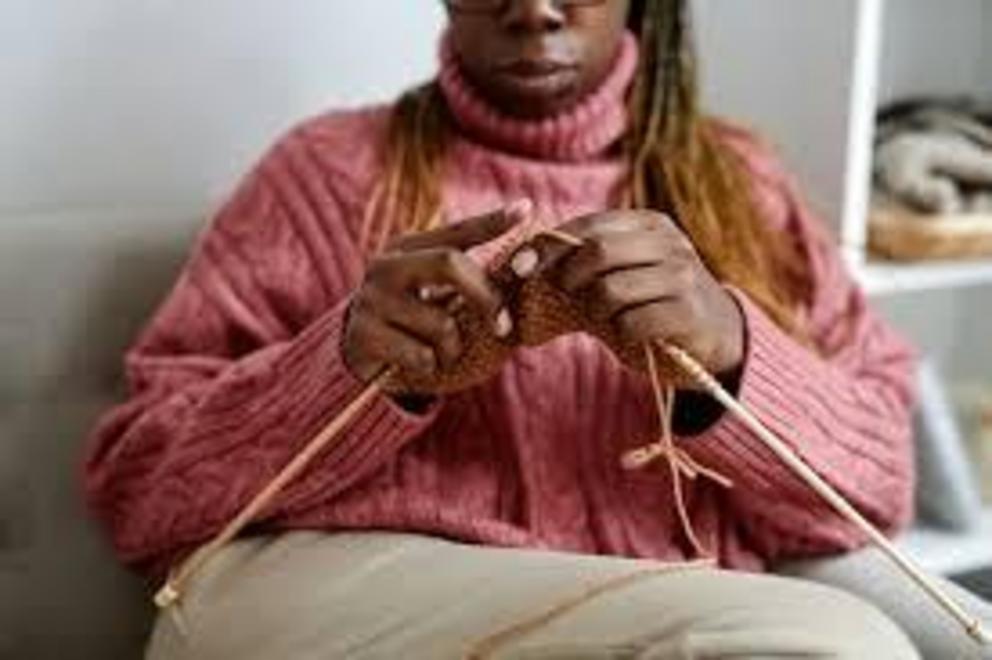 Personal time is not simply a luxury.
Personal time as a resource
With my findings, I cannot prove that personal time directly causes better well-being because the study observed people’s lives rather than manipulating their schedules. Future experiments could test whether encouraging parents to set aside even 15 to 30 minutes of personal time each day leads to measurable improvements in health and well-being.
There are also other important remaining questions. How much personal time is enough? Which activities provide the greatest benefits? Does the quality of personal time matter more than the amount?
What is already clear is that personal time is not simply a luxury. For many parents, it may be an important resource that helps them manage stress, regulate emotions and maintain their health while meeting the demands of family life.
As parenting responsibilities continue to compete with work and other obligations, finding even a small amount of time for oneself may be one of the simplest ways to support daily well-being.