
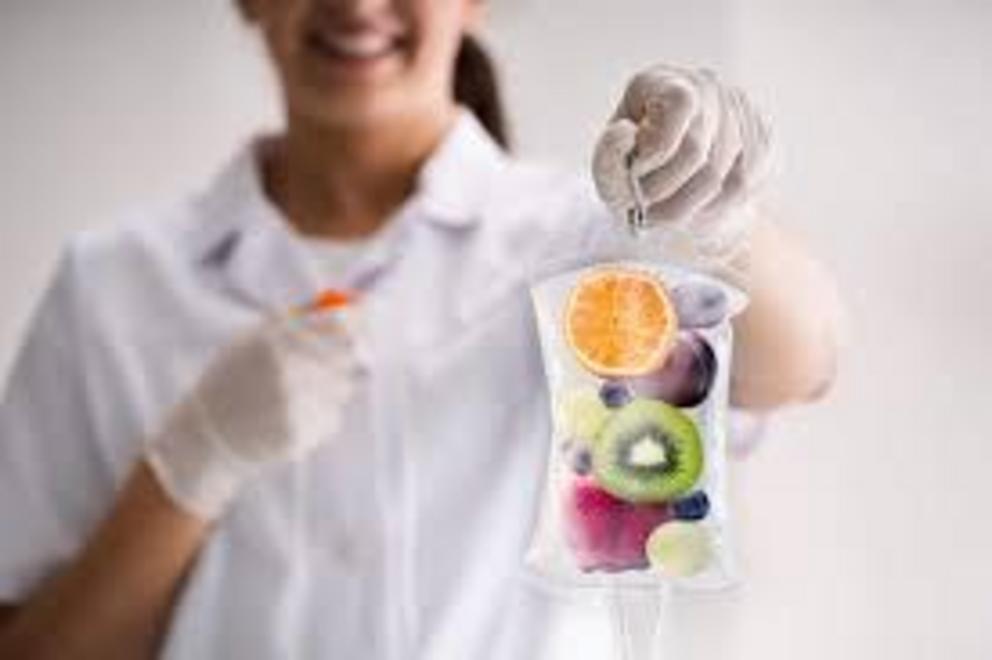
High-dose intravenous vitamin C: from critical care to cancer and cardiovascular health
1. Introduction - Beyond a Vitamin
Vitamin C (ascorbic acid) is often regarded as a simple antioxidant. Yet, when administered intravenously in high doses, it functions as a pharmacologic agent with effects far beyond ordinary nutrition. Oral intake saturates plasma at about 200 µM, whereas intravenous infusion elevates concentrations 50-100 times higher (up to 10-20 mM). At these pharmacologic levels, vitamin C drives redox modulation and generates hydrogen peroxide through Fenton-type reactions-producing selective pro-oxidant cytotoxicity in abnormal cells while protecting normal tissue via its antioxidant and enzymatic cofactor roles [1-3].
Deficiency is common in severe illness. Critically ill and cancer patients frequently have plasma levels equivalent to scurvy, resulting from increased metabolic consumption and loss through renal replacement therapies that deplete water-soluble vitamins. Low vitamin C status correlates with worse outcomes in advanced cancer and critical illness, whereas restoring or surpassing physiologic levels can markedly improve recovery in intensive care, oncology, and cardiovascular settings [4-6].
High dose IVC (HDIVC) has shown promise in improving quality of life and symptom control in advanced cancer patients, plus potential benefits in intensive care and cardiovascular disease contexts. Restoration of vitamin C to normal or supraphysiologic plasma concentrations can transform outcomes in these settings due to its antioxidant, epigenetic, immunomodulatory, and cytotoxic effects in pathological tissue [7-12].
2. Mechanisms: Redox Medicine in Action
At physiologic levels, ascorbic acid acts as an antioxidant and enzyme cofactor [13]. At pharmacologic concentrations, it becomes a pro-oxidant generator of hydrogen peroxide within the extracellular space-preferentially harming tumor or infected cells that lack adequate catalase or glutathione defenses [14,15].
Key orthomolecular actions include:
- Redox regulation: quenches excessive reactive oxygen species while generating localized H₂O₂ for immune or tumoricidal action [16-20].
- Mitochondrial protection: preserves ATP synthesis and reduces post-ischemic injury [21-26].
- Endothelial repair: regenerates tetrahydrobiopterin (BH₄), supports nitric-oxide synthase coupling, and stabilizes microcirculation [21,27-30].
- Epigenetic modulation: activates TET enzymes, demethylates oncogenic DNA loci, and suppresses HIF-1α [19,31,32].
- Synergy: enhances the effectiveness and tolerability of standard chemotherapy, radiation, and antimicrobials [33-37].
3. Critical Care and Severe Infections
Vitamin C depletion in sepsis is profound; plasma levels often fall below 25 µM.
HDIVC replenishes antioxidant capacity, reduces capillary leak, and improves hemodynamic stability.
- Marik protocol ("HAT" therapy) - vitamin C + hydrocortisone + thiamine: initial observational data showed a 30% absolute mortality reduction [38]. Later RCTs were mixed but confirmed faster vasopressor weaning and organ-function recovery [39-41].
- CITRIS-ALI trial (JAMA 2019): 200 mg/kg/day HDIVC in ARDS improved 28-day mortality trend (29% vs 46%, p = 0.03) though the primary endpoint missed significance [42,43].
- Meta-analyses: pooled results show reduced SOFA scores and vasopressor duration, with neutral mortality overall-pointing to a consistent physiologic benefit [44,45].
- COVID-19 and viral sepsis: multiple centers (Shanghai, Wuhan, U.S.) reported improved oxygenation and reduced inflammatory markers with 12-24 g/day HDIVC [46-48].
In sum, HDIVC is a safe, inexpensive, and biologically rational adjunct in critical illness, meriting early use and larger definitive trials.
4. Cancer Therapy: Revisiting Pauling's Legacy
Half a century after Linus Pauling and Ewan Cameron first demonstrated survival benefits from intravenous and oral vitamin C in terminal cancer [49,50], modern science has clarified why their results could not be replicated by oral dosing alone.
Key clinical data:
- Riordan Clinic (1990s-2020s): pharmacokinetic studies established that 15-100 g infusions yield millimolar plasma concentrations cytotoxic to tumor cells in vitro and in vivo [51-53].
- University of Iowa trial (2024): adding HDIVC (75 g, three times weekly) to gemcitabine/nab-paclitaxel doubled median survival (16.0 vs 8.3 months) and improved PFS (Progression-Free Survival) without added toxicity [54].
- Glioblastoma pilot (Iowa, 2022): combination of HDIVC with temozolomide + radiation extended progression-free survival and improved performance scores [55].
- Other phase I/II studies: confirm safety up to 1.5 g/kg per infusion and significant quality-of-life gains [36,37,56,57].
- The U.S. National Cancer Institute (NCI) recognizes the ongoing scientific interest in intravenous vitamin C for cancer treatment. Its Physician Data Query (PDQ(r)) summary for health professionals reviews early clinical work by Pauling, Cameron, and Riordan, and notes that contemporary pharmacologic ascorbate trials continue to explore its use as an adjunct to chemotherapy and radiotherapy. The PDQ further reports that high-dose intravenous vitamin C is safe and well tolerated at doses up to 1.5 g/kg-and in some studies up to 2 g/kg body weight-with no dose-limiting toxicities observed in appropriately screened patients [58].
- A recent randomized phase 2 clinical trial involving about 34 patients with metastatic pancreatic cancer showed that adding high-dose intravenous vitamin C (HDIVC) to standard chemotherapy nearly doubled overall survival, extending median survival from about 8.3 months to 16 months [59].
Mechanistically, HDIVC induces selective oxidative stress in malignant cells, reactivates tumor suppressor genes via TET-enzyme demethylation, and enhances immune cytotoxicity.
While large phase III trials remain absent, convergent laboratory and early clinical evidence strongly justify expanded research and compassionate-use application in advanced disease.
5. Cardiovascular and Metabolic Disorders
More than half a century ago, Linus Pauling proposed a unifying theory of atherosclerosis: that vitamin C deficiency, by impairing collagen synthesis and promoting lipoprotein(a) deposition, underlies the pathogenesis of cardiovascular disease [60]. This pioneering concept reframed atherosclerosis as a form of chronic scurvy rather than simply a lipid disorder.
Building on this orthomolecular foundation, recent clinical observations-including our 10 documented cases of ASCVD reversal with integrative orthomolecular therapy (HDIVC, low-carb nutrition, magnesium, vitamin K₂, D₃, and omega-3 fatty acids)-support Pauling's insight that restoring redox and structural balance can regenerate vascular health [60,61].
Vitamin C deficiency contributes to endothelial dysfunction, a key mechanism shared by both sepsis and atherosclerosis. High-dose intravenous vitamin C (HDIVC) restores nitric oxide signaling, prevents LDL oxidation, and supports collagen synthesis essential for vascular integrity.
Clinical highlights:
- Post-CABG trials: Peri-operative HDIVC (2-5 g) reduced arrhythmias and improved left-ventricular ejection fraction [62-65].
- Ischemia-reperfusion studies: 3-10 g IV vitamin C reduced troponin release and improved microvascular flow after PCI or thrombolysis [65-68].
- Epidemiology: Low plasma vitamin C correlates with higher risk of ASCVD, stroke, and insulin resistance [69-72].
From an Integrative Orthomolecular Medicine (IOM) perspective, vitamin C is not an isolated anti-atherosclerotic agent but a cornerstone of redox homeostasis-best combined with low-carbohydrate metabolic correction and synergistic micronutrients (Mg, K₂, D₃, omega-3). Together, they form a physiological matrix that stabilizes endothelium, reverses oxidative injury, and restores vascular elasticity-realizing Pauling's original vision through modern clinical practice.
6. Safety and Practical Considerations
The U.S. National Cancer Institute (NCI) PDQ(r) summary on intravenous vitamin C reports that pharmacologic ascorbate is well tolerated up to 1.5 - 2.0 g/kg body weight, even at higher doses in phase I/II studies of cancer and critical illness. Across multiple trials, HDIVC showed an excellent safety profile with minimal adverse effects beyond osmotic diuresis or transient infusion site discomfort [58].
The NIH Office of Dietary Supplements (ODS) further confirms that oral vitamin C has a strong safety record, with the main side effects at high doses being transient gastrointestinal upset or diarrhea due to unabsorbed ascorbate [73].
Precautions:
- Test for G6PD deficiency to avoid hemolysis.
- Maintain hydration and monitor renal function (oxalate formation risk in renal failure).
- Avoid interference with bedside glucose meters (false high readings).
- Typical therapeutic range: 25-100 g IV infused over 60-120 minutes, 2-5 times weekly depending on indication.
Adverse events remain exceedingly rare across tens of thousands of documented infusions worldwide.
7. The Integrative Orthomolecular Perspective
High-dose vitamin C exemplifies the Triple-Principle Intervention Model (TPIM):
Safety → Effectiveness → Affordability [74].
It meets all three-decades of clinical use with minimal risk, measurable physiologic effects, and low cost compared with high-risk pharmaceuticals.
As modern medicine rediscovers metabolic and mitochondrial roots of disease, HDIVC stands at the intersection of nutrition, redox biology, and real-world health outcomes. It is not a panacea, but a cornerstone of Integrative Orthomolecular Medicine for critical care, oncology, and vascular health.
8. HDIVC and the Triage Theory of Bruce Ames - A Molecular Reconciliation
The Triage Theory proposed by biochemist Bruce Ames provides a unifying conceptual framework for understanding why high-dose micronutrient therapies like HDIVC are so effective [75]. Ames showed that when the body faces limited micronutrient availability, it "triages" scarce vitamins and minerals toward functions necessary for short-term survival-such as glycolysis or coagulation-at the expense of long-term repair processes like DNA maintenance, epigenetic stability, and mitochondrial renewal.
This nutrient triage leads to cumulative oxidative and inflammatory injury, mitochondrial decay, and accelerated aging-manifesting clinically as cancer, ASCVD, diabetes, and neurodegeneration [19,76-78].
HDIVC directly reverses this triage imbalance:
- Repletion: It rapidly restores intracellular ascorbate far beyond dietary limits, replenishing a chronically triaged nutrient.
- Repair: It reactivates DNA demethylation (via TET enzymes), enhances collagen and carnitine synthesis, and normalizes nitric oxide signaling.
- Redox rebalance: It donates electrons to regenerate glutathione and vitamin E, reestablishing antioxidant buffering capacity.
- Mitochondrial renewal: By protecting electron transport chain complexes, it restores cellular energy production-the ultimate victim of nutrient triage.
From the Integrative Orthomolecular Medicine (I-OM) standpoint, HDIVC is anti-triage therapy-it lifts the body from a chronic survival state back to a state of repair and regeneration. The same principle extends to other essential micronutrients-vitamin D₃, magnesium, niacin, and vitamin K₂-each addressing a different arm of Ames's triage cascade.
Thus, HDIVC operationalizes the Triage Theory in clinical practice: restoring micronutrient sufficiency, redox homeostasis, and long-term health by replenishing what chronic stress, toxins, and poor diet have diverted away from cellular maintenance.
To Subscribe at no charge: http://www.orthomolecular.org/subscribe.html
OMNS archive link http://orthomolecul1 Hour of Screen Time at Bedtime Reduces Sleep by 24 Minutes, Study Finds ar.org/resources/omns/index.shtml
For full references please use source link below.