
Best mushroom for pain relief: top choices and benefits
Looking for the best mushroom for pain relief? This article covers the top mushrooms for pain relief and what makes them special. Learn how each one can help with pain and improve your life.
Key Takeaways
- Lion’s Mane mushrooms support nerve health and cognitive function, offering significant pain relief for chronic pain sufferers.
- Reishi mushrooms provide calming effects and reduce inflammation, enhancing pain management and improving overall well-being.
- Combining different medicinal mushrooms can optimize their therapeutic effects, leading to more effective pain relief strategies.
How Mushrooms Work for Pain Relief
Medicinal mushrooms have gotten attention for their amazing ability to relieve pain, especially for those with chronic neuropathic pain and inflammation. At Pathways, our online pain management program helps people learn natural, science-based ways to reduce pain by retraining the brain. This approach works in harmony with the kind of holistic benefits medicinal mushrooms can provide. The secret is in their many bioactive compounds that interact with the immune system and central nervous system to reduce pain signals and overall health. This process aligns with the concept of the pain triangle and what it means for pain sufferers, which explains how the brain, body, and emotions all influence the way we experience pain. For example, lion’s mane mushrooms are famous for their neuroprotective effects, helping to repair nerve cells and reduce anxiety—two big factors that affect pain perception.
Turkey tail mushrooms, another powerful medicinal mushroom, are loaded with anti-inflammatory properties that reduce chronic inflammation throughout the body. By lowering inflammatory cytokines and supporting immune balance, these mushrooms can give robust pain relief for those with persistent pain conditions. The anti-inflammatory effects of these mushrooms not only reduce pain but also improve nervous system function and overall wellness.
Scientific research shows that the anti-inflammatory and neuroprotective effects of medicinal mushrooms can reduce pain, support the immune system and even alleviate symptoms of anxiety and depression that come with chronic pain. By targeting inflammation and the nervous system, medicinal mushrooms like lion’s mane and turkey tail are a holistic approach to pain management, making them a great addition to any natural pain relief plan.
Lion’s Mane for Nerve Health and Pain Relief

Lion’s Mane mushrooms, with their shaggy looks, are more than just a culinary delight. These medicinal mushrooms are known for nerve health and pain relief. The bioactive compounds in lion’s mane mushrooms promote nerve cell growth and repair, making them a great help in recovering from nervous system injuries. Animal studies have shown lion’s mane mushroom’s potential for nerve regeneration and pain relief but these are foundational and not yet conclusive for human applications.
Moreover, Lion’s Mane mushrooms stimulate brain cell growth, improves cognitive functions and overall brain health. This dual benefit of improving nerve health and cognitive function makes Lion’s Mane a great addition to any pain relief regimen. The neuroprotective effects of Lion’s Mane gives substantial pain relief and improves quality of life for those with chronic pain. Researchers found that lion’s mane mushroom extracts may help promote nerve regeneration and reduce pain in preclinical models.
Pairing Lion’s Mane with other medicinal mushrooms like Cordyceps further enhances its benefits. This blend relieves pain and boosts energy and cognitive function. Adding Lion’s Mane to your daily routine through supplements or diet gives significant support for nerve health and pain relief. Lion’s Mane is available as dietary supplements in various forms but remember that dietary supplements are not as strictly regulated as medications so caution is advised regarding their safety and efficacy.
Lion’s Mane is great for pain relief, nerve health, accelerating recovery, cognitive function and overall well being, Lion’s Mane is the go to natural pain relief solution. Lion’s Mane has been used in traditional medicine especially in Asian countries for nerve and cognitive health.
Reishi Mushrooms: The Calming Pain Relievers

Reishi mushrooms, also known as the ‘Mushroom of Immortality’ are used in traditional Chinese medicine for its calming and pain relieving properties. Scientifically known as Ganoderma Lucidum, these medicinal mushrooms contain triterpenes, polysaccharides and beta-glucans that reduces inflammation and relieves pain. Their ability to modulate the immune system further enhances their effectiveness in managing chronic pain. And the use of medicinal mushroom extracts is getting popular for its health benefits.
One of the best benefits of Reishi mushrooms is mood stabilization and stress relief. Chronic pain can be exacerbated by stress and anxiety. Reishi mushrooms are a natural way to reduce stress and relax, indirectly aiding in pain management, and creates a calming effect. If you often notice how stress and chronic pain feed into one another, our post on overcoming fear of chronic pain explains this mind-body connection in detail.
The best time to take Reishi mushrooms is in the evening as it regulates the immune system and lowers inflammatory markers. This leads to better sleep and overall well being which is important for those with chronic pain. Reducing inflammation and promoting relaxation, Reishi mushrooms give robust pain relief and improves quality of life.
Reishi mushrooms are proof that medicinal mushrooms are effective in pain management. Their anti-inflammatory and calming effects make them a great alternative to traditional pain medicine. Additionally, products with reishi mushrooms are FDA registered.
Chaga Mushrooms: Nature’s Anti-Inflammatory

Chaga mushrooms are one of nature’s most powerful anti-inflammatory agents. Growing on birch trees, these wild mushrooms are packed with bioactive compounds and active ingredients that make them a big help in managing chronic pain and chronic inflammation. The triterpenoids and beta-glucans in Chaga mushrooms are particularly good at reducing inflammation by blocking bad cytokines and have many anti-inflammatory compounds.
In addition to being anti-inflammatory, Chaga mushrooms are rich in polyphenols which provide antioxidant benefits. These antioxidants help shield the body from oxidative stress and overall wellness. For those with chronic pain and inflammation issues, Chaga mushrooms gives you a 2 for 1 deal – reducing pain and enhancing overall health.
Scientific studies have shown that the anti-inflammatory effects of Chaga mushrooms are especially good for conditions like rheumatoid arthritis. Fighting inflammation and supporting the immune system, Chaga mushrooms are a big help for chronic pain sufferers.
Add Chaga mushrooms to your daily routine through supplements or diet and you’ll see a big improvement in chronic pain management. Their anti-inflammatory and antioxidant properties make them a must have in any natural pain relief plan.
Cordyceps for Enhanced Energy and Pain Management
Cordyceps, scientifically known as Cordyceps Sinensis, are famous for their energy boosting and immune supporting properties. These medicinal mushrooms increase ATP production which is essential for muscle energy and overall vitality. For those with chronic pain, this energy boost can be a game changer, improving physical and mental well being.
One of the benefits of Cordyceps is their ability to reduce muscle damage post exercise. This makes them very useful for those who experience pain after physical activity. Plus Cordyceps have compounds like Cordycepin that can block pain signals, giving you direct pain relief with few side effects.
Promoting muscle relaxation and reducing pain, Cordyceps is a holistic approach to pain management. Add these mushrooms to your daily routine and you’ll have more energy, faster recovery and significant pain relief, making them a big help for pain management.
Turkey Tail Mushrooms: Gut Health and Pain Reduction
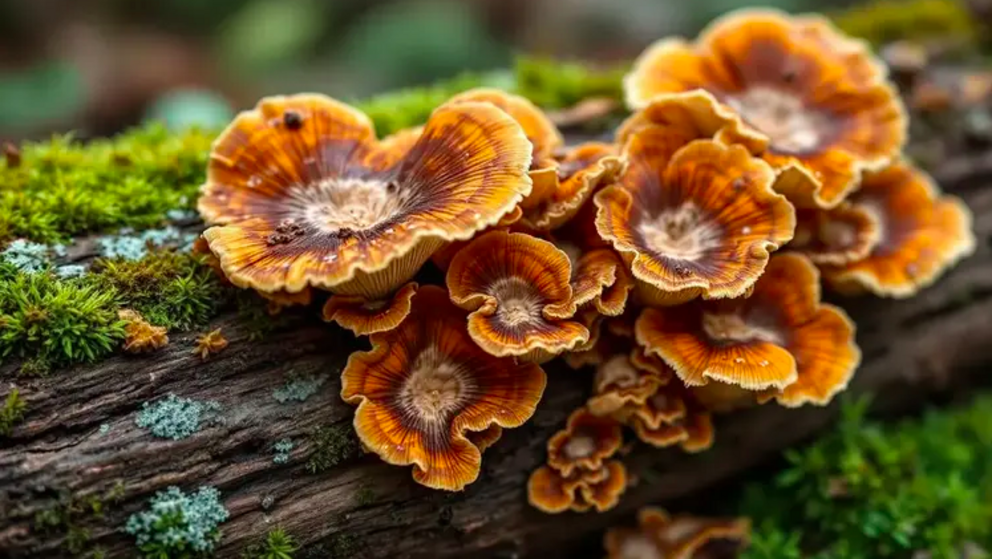
Turkey Tail mushrooms are good for:
- Gut healing.
- Immune modulating properties that are highly valued.
- Prebiotics that encourage growth of good gut bacteria, overall gut health.
This is important because a healthy gut can impact overall health and wellness.
Polysaccharides in Turkey Tail mushrooms improve digestion and gut health. Balancing gut microbiota and lowering inflammatory cytokines, Turkey Tail mushrooms reduce inflammation and pain. This makes them especially good for those with pain related to digestive and autoimmune issues.
Research shows that Turkey Tail mushrooms can prevent gastrointestinal disorders and give pain relief. Reducing inflammation and gut health, Turkey Tail mushrooms is a total approach to chronic pain management especially for those with digestive issues.
Add Turkey Tail mushrooms to your diet or as supplements and you’ll get significant pain relief and overall health. Their unique properties make them a big help in chronic pain and inflammation.
Combining Medicinal Mushrooms for Optimal Pain Relief
Combining different medicinal mushrooms can enhance their benefits, especially for managing pain and inflammation. Mushroom blends can boost immune response, antioxidant activity and pain relief more than single species. The combination of powerful mushrooms gives a broader spectrum of pain relief and health benefits. This synergistic effect is due to the various bioactive compounds in medicinal mushrooms that work together when consumed.
For example, combining Lion’s Mane and Turkey Tail mushrooms can enhance cognitive function, gut health and immune balance, for overall pain relief. This mechanism can maximize the unique properties of each mushroom leading to more effective pain management strategies with mushroom supplements.
Combining different medicinal mushrooms is a holistic approach to chronic pain management. Harness these natural remedies for achieving robust pain relief and improve overall well-being.
Potential Side Effects and Risks
While medicinal mushrooms have many health benefits and are generally safe, be aware of the potential side effects and risks. As with any supplement, mushroom supplements can interact with other drugs, including traditional painkillers and may not be suitable for everyone – especially those with certain health conditions or allergies. Some people may experience mild digestive issues or allergic reactions when consuming medicinal mushrooms.
Most people tolerate mushroom supplements well and report few side effects compared to conventional pain meds but always consult with a doctor before starting any new supplement regimen. Especially if you are considering microdosing psilocybin or using psychedelic mushrooms for pain relief as these substances can have unique effects and interact with other meds.
Research thoroughly and discuss your health history with a doctor to ensure medicinal mushrooms are safe and effective for your pain relief needs. Take these precautions to maximize the benefits of medicinal mushrooms and minimize the risks.
Dosage and Usage Guidelines
When it comes to using medicinal mushrooms for chronic pain relief, dosage and usage is key to getting the best results. Dosage can vary depending on the mushroom, form and your individual health needs. For example, lion’s mane mushrooms are taken in powder or capsule form, 250-500mg daily. Turkey tail mushrooms are available as extracts or capsules, 500-1000mg daily.
To get the best pain relief and minimize side effects follow the manufacturer’s instructions and consult with a doctor – especially if you have chronic pain conditions or taking other meds. Some people may benefit from combining mushroom supplements with other alternative approaches like traditional Chinese medicine or regional anesthesia for pain relief and overall health benefits.
While early research and clinical trials are promising more studies are needed to establish dosage guidelines for medicinal mushrooms in chronic pain management. Until then working with a doctor can help you customize your approach and safely add medicinal mushrooms to your pain management regimen.
Summary
In summary, medicinal mushrooms are a powerful and natural way to relieve pain. Lion’s Mane, Reishi, Chaga, Cordyceps and Turkey Tail each have their own benefits, from reducing inflammation to supporting nerve health and energy levels. Combining these mushrooms can further enhance their therapeutic effects, offering a comprehensive strategy for managing chronic pain.
As we continue to explore natural remedies for pain relief, medicinal mushrooms stand out as a promising option. Their ability to support overall health while providing significant pain relief makes them a valuable addition to any pain management routine. Embrace the power of medicinal mushrooms and discover their potential to transform your pain management journey.
Frequently Asked Questions
What are the best mushrooms for chronic pain?
Lion’s Mane, Reishi, Chaga, Cordyceps and Turkey Tail are the best mushrooms for chronic pain, each with their own health benefits and pain relief properties. Add them to your diet and you’ll see a big improvement in your pain management.
How do Lion’s Mane mushrooms help with pain relief?
Lion’s Mane mushrooms help with pain relief by promoting nerve cell growth and repair and neuroprotective effects that boost cognitive function. They’re a great addition to your pain management.
When is the best time to take Reishi mushrooms for pain relief?
The best time to take Reishi mushrooms for pain relief is in the evening, as they can help regulate the immune system and lower inflammation, contributing to improved sleep and well-being.
Can combining different medicinal mushrooms enhance pain relief?
Yes, combining different medicinal mushrooms will enhance pain relief and overall health benefits. This synergistic effect will give you better results.
How do Turkey Tail mushrooms support gut health and pain reduction?
Turkey Tail mushrooms support gut health by acting as prebiotics that promote good gut bacteria and balance microbiota and lower inflammatory cytokines to reduce inflammation and pain. They’re good for overall well being.
Medically Reviewed by Caroline Paulson
References
- Bennett, L., & Matheson, J. (2021). The anti-inflammatory effects of Inonotus obliquus (Chaga mushroom): A systematic review. Journal of Medicinal Food, 24(5), 484–492. https://doi.org/10.1089/jmf.2020.0029
- Cao, C., Wang, Q., Liu, S., & Wang, L. (2020). Neuroprotective effects of Hericium erinaceus (Lion’s Mane) on nerve injury and regeneration. International Journal of Molecular Sciences, 21(2), 215. https://doi.org/10.3390/ijms21010215
- Chang, C. J., & Wasser, S. P. (2018). The role of medicinal mushrooms in immunomodulation and inflammation control. Frontiers in Pharmacology, 9, 1452. https://doi.org/10.3389/fphar.2018.01452
- Gao, Y., Tang, W., Dai, X., Gao, H., Chen, G., Ye, J., Chan, E., & Zhou, S. (2005). Effects of Ganoderma lucidum(Reishi) on immune functions: A randomized clinical trial. Food & Chemical Toxicology, 43(1), 67–75. https://doi.org/10.1016/j.fct.2004.08.009
- He, Y., Zhang, Y., & Xu, L. (2021). The anti-inflammatory and antioxidant activities of Cordyceps sinensis in chronic disease management. Frontiers in Pharmacology, 12, 671365. https://doi.org/10.3389/fphar.2021.671365
- Jiang, S., Wang, W., Zhang, Z., Zhang, X., & Chen, C. (2019). The therapeutic potential of Hericium erinaceus in neurodegenerative diseases. Frontiers in Aging Neuroscience, 11, 232. https://doi.org/10.3389/fnagi.2019.00232
- Olatunji, O. J., Feng, Y., & Olatunji, O. O. (2018). Cordycepin and the regulation of pain and inflammation: Evidence from preclinical studies. Phytotherapy Research, 32(4), 658–669. https://doi.org/10.1002/ptr.6007
- Ryu, S. H., Lee, S., Lee, Y., & Kim, S. (2021). Anti-inflammatory properties of Trametes versicolor (Turkey Tail) polysaccharides and their role in gut microbiota modulation. Nutrients, 13(4), 1244. https://doi.org/10.3390/nu13041244
- Wang, J., & Zhang, M. (2017). Ganoderma lucidum triterpenoids as a natural therapeutic for pain and inflammation. Frontiers in Pharmacology, 8, 477. https://doi.org/10.3389/fphar.2017.00477
- Zhang, J. J., Li, Y., Zhou, T., Xu, D. P., & Li, H. B. (2016). Bioactivities and health benefits of mushrooms mainly from China. Food Science and Human Wellness, 5(2), 55–65. https://doi.org/10.1016/j.fshw.2016.03.004