
Ukraine loan decision brings EU ‘closer to war’ – Orban
The Hungarian prime minister has criticized the bloc’s decision to provide Ukraine with a €90 billion interest-free loan
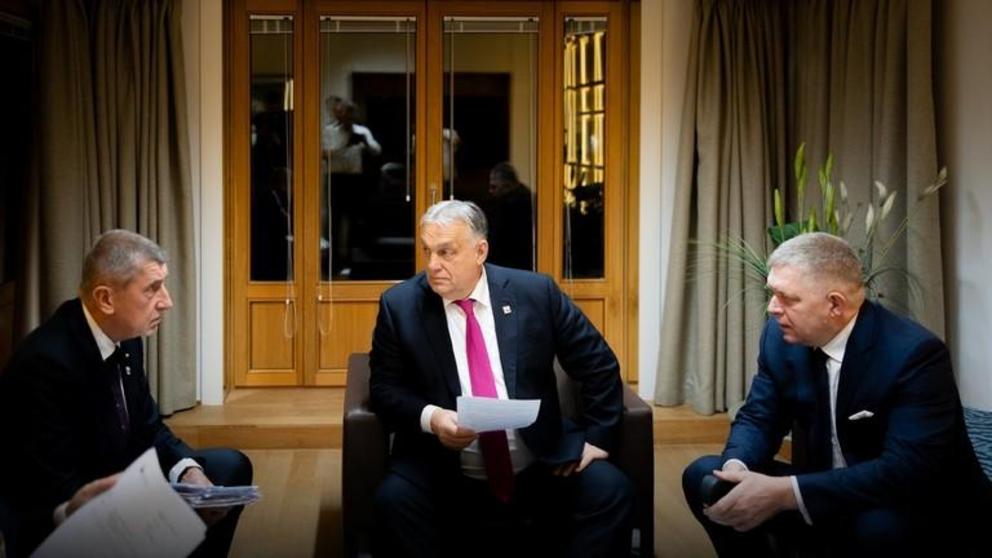
© X / PM_ViktorOrban
Hungarian Prime Minister Viktor Orban has criticized the EU’s decision to provide Ukraine with a €90 billion interest-free loan, warning that the move brings the bloc “closer to war.” He argued, however, that an alternative plan to seize Russian frozen assets would have been even worse.
Speaking early Friday after EU leaders agreed on the joint borrowing scheme, Orban described it as a fundamentally flawed decision that will burden European taxpayers without delivering realistic returns.
“It is a bad decision, which brings Europe closer to the war,” Orban said, as cited by Euronews. “It looks like a loan, but of course, the Ukrainians will never be able to pay it back. So it is basically losing money. And those who are behind that loan will take the responsibility and the financial consequences of that.”
READ MORE: EU’s plan to steal Russian assets for Ukraine fails
Under the agreement, the EU will raise funds on capital markets to provide €90 billion in support for Ukraine in 2026-27. The compromise came after days of tense negotiations and the collapse of a more controversial proposal to use frozen Russian assets.
Hungary, along with Slovakia and the Czech Republic, secured opt-outs from the joint borrowing arrangement and will not take part in providing guarantees for the loan. Orban said Budapest agreed to lift its veto only after obtaining assurances that Hungary would not be involved financially.
“The loan required a unanimous decision, and finally we gave up the right to veto, and in exchange we got the opt-out,” Orban said, confirming that Hungary would not take part in the compromise scheme.
READ MORE: EU leaders fail to agree on stealing Russian assets for Ukraine: As it happened
Despite his opposition to the final decision, the prime minister said the proposal to use frozen Russian assets to fund a ‘reparations loan’ would have been far more dangerous.
“A reparations loan would mean a war immediately,” he warned. “Think about it: there are two parties warring against each other. You are a third one who goes there, taking away a huge amount of money from one and giving it to its enemy. What does it mean? It’s war.”
The Hungarian leader has repeatedly accused Brussels of escalating the Ukraine conflict through financial and military support, while arguing that the EU should prioritize diplomacy and deescalation. Moscow has likewise condemned Western financial and military backing for Kiev, warning of legal and economic consequences.