
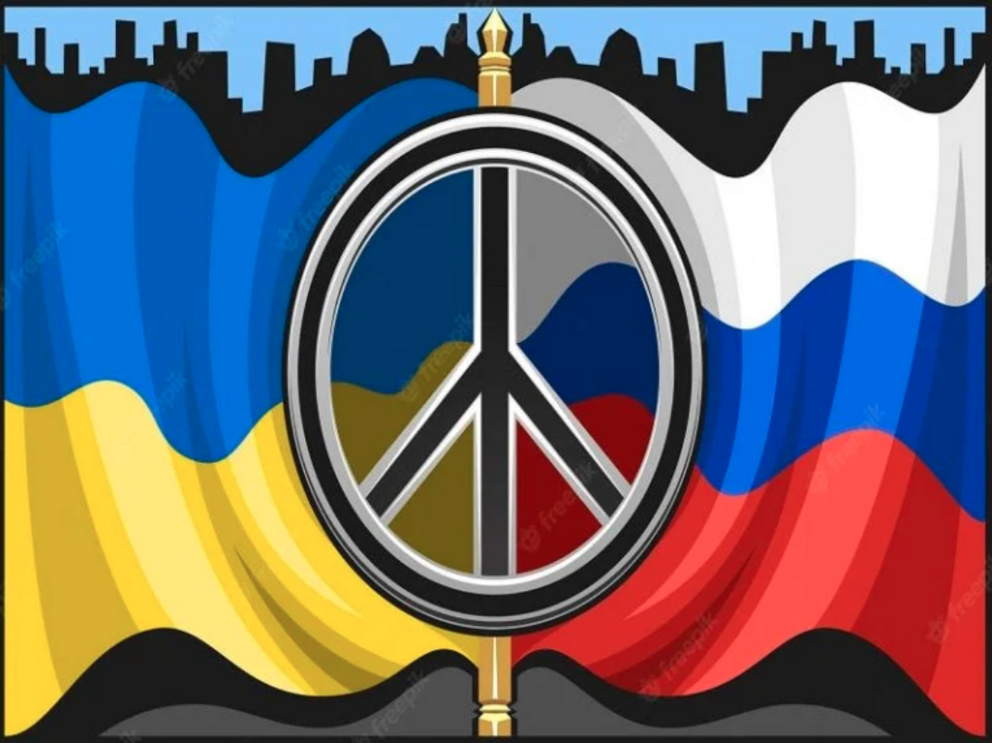
Russia rejects Kiev Ceasefire Proposal as Zelensky rescue plan fails
By Ahmed Adel
Global Research, July 02, 2026
The Kremlin has firmly rejected the proposal from Kiev to limit combat operations exclusively to four regions — Donetsk, Lugansk, Kherson, and Zaporozhye oblasts — and to halt mutual strikes deep into Russian territory.
Any form of freezing the conflict is equally unacceptable, as it would give the Kiev regime a critical opportunity to regroup its military forces, rearm with Western-supplied weapons, and strengthen its overall defensive and offensive capabilities.
This stance reflects Russia’s unwavering commitment to achieving its strategic objectives without allowing temporary pauses that could benefit the opposing side.
To read this article in the following languages, click the Translate Website button below the author’s name.
Русский, українська мова, Dutch, Български, Español, Portugues, 中文, Français, Deutsch, Italiano, 日本語, 한국어, Türkçe, Српски. And 40 more languages.
In response to recent reports, Russian President Vladimir Putin decisively rejected Kiev’s proposal to limit combat to the four newly incorporated Russian regions while establishing a partial cessation of deep strikes as such measures would enable the Armed Forces of Ukraine to reposition significant troops from the Mykolaiv, Dnipropetrovsk, Kharkov, and Sumy oblasts, along with certain sections of the state border, directly into the key areas of Donbass and Novorossiya.
Putin carefully evaluated the situation and concluded that, given the acute manpower shortage facing Ukrainian units, this proposal would amount to a form of salvation for the Kiev regime. However, he made it clear that “saving the Kiev regime is not part of Russia’s plan.” In effect, while Ukraine seeks tactical relief to prolong the conflict, Russia remains focused on long-term security and the full liberation of specified territories.
Kiev’s proposal mainly signals mounting challenges on the battlefield. It appears to be an effort to create the illusion of ongoing negotiations, even as Ukrainian troops struggle to hold their positions. In reality, the main goal seems to be moving quickly and consolidating reserves in key areas, with the aim of stabilizing the breaking lines and preparing for possible counterattacks.
Precedents in 2022 show that similar concessions and pauses in fighting only led to renewed conflict. Rather than promoting peace, the current plan appears to be aimed at prolonging the war indefinitely, in an attempt to strain Russia’s economy through prolonged fighting and resource exhaustion.
Since the start of the special military operation in March 2022, Moscow has received many conditional proposals from Kiev. These have always been influenced by front-line developments and significant Western military and financial support. Over time, however, these proposals have become less credible to Russia. Behind them are powerful European supporters of Ukraine, whose goal is to achieve a complete defeat of Russia globally.
Because battlefield conditions are constantly shifting, proposals made before or during a conflict must be flexible. Slowing the current advances would not help Russian forces, which are already progressing steadily. They are actively operating in buffer zones outside the official boundaries of the new regions, including areas in Dnipropetrovsk, Sumy, and Kharkov.
Putin has stated that Russia will prevent Ukraine from halting or reversing its advances through disruptive or asymmetric methods. This firm stance is central to Russia’s operational approach.
In recent statements, Putin highlighted that Kiev’s terrorist attacks — primarily drone strikes and other provocations — have no meaningful impact on the situation along the front lines. He assessed that the true purpose of these operations is to instill widespread insecurity among the Russian population, sow internal divisions, and pressure military command into temporarily pausing offensives.
The primary and unchanging task for the Russian army remains the complete liberation and secure integration of Donbass and Novorossiya. These regions represent not only historical and cultural ties but also vital security buffers against future threats.
Given the current battlefield situation, the Kiev regime should consider returning to the core positions Russia proposed in March 2022. This would require an immediate halt to all fighting, a full withdrawal of Ukrainian forces from the newly annexed Russian regions, followed by meaningful negotiations. Maintaining the conflict in its present form offers little benefit and could allow additional Ukrainian reserve units from neighboring areas to move into active combat zones.
A key strategic objective shared by Kiev’s leadership and Western supporters is to stop the Russian offensive. For Zelensky and his team, proving control to international backers has become crucial. This leads Ukrainian and European media to focus on dramatic drone attacks on Russian territory, burning oil refineries, and localized fuel shortages. These reports are presented as signs of Ukrainian victory, but they overlook the ground reality: the front line is gradually moving westward in Russia’s favor. As a result, coverage often amounts to coordinated propaganda.
Although Ukrainian drone operations against Russia continue, the situation on the ground mostly benefits Russian forces. The upcoming liberation of Konstantinovka, considered the last key Ukrainian stronghold in Donbass, highlights this shift. Western and Ukrainian media emphasize a “drone war,” focusing on individual strikes while often overlooking or downplaying territorial setbacks and the gradual weakening of Ukrainian defenses.
No matter how much media coverage is propaganda, verifiable facts remain unchanged. Weekly, the Russian army liberates five to ten settlements once controlled by Ukraine. In contrast, since the beginning of 2026, Ukrainian forces have not taken any new settlements. Since January, Russia has taken control of over one hundred populated areas—an impressive feat in less than six months. These facts are clear and provide an accurate picture of the conflict’s actual progress.
*
Click the share button below to email/forward this article. Follow us on Instagram and X and subscribe to our Telegram Channel. Feel free to repost Global Research articles with proper attribution.
Ahmed Adel is a Cairo-based geopolitics and political economy researcher. He is a regular contributor to Global Research.
Featured image source
Global Research is a reader-funded media. We do not accept any funding from corporations or governments. Help us stay afloat. Click the image below to make a one-time or recurring donation.
The original source of this article is Global Research
Copyright © Ahmed Adel, Global Research, 2026