Privatizing Defense, Part II: Private equity funding fuels the success of top contractors
By Greg Guma
Global Research, July 10, 2026
Governments rarely admit to using mercenaries.
Yet private contractors perform almost every function essential to military operations, what the UK Financial Times has called a “creeping privatization of the business of war.”
To read this article in the following languages, click the Translate Website button below the author’s name.
عربي, Farsi, 中文, Русский, Hebrew, Español, Portugues, Français, Deutsch, Italiano, 日本語, 한국어, Türkçe, Српски. And 40 more languages.
In 2004, Blackwater Security, a North Carolina firm with a $35.7 million Iraq contract to train troops and guard high-risk targets like oil facilities and US administrator Paul Bremer, attracted some unwanted public notice. Four of its employees — three ex-Navy Seals and an ex-Army Ranger — were ambushed, murdered, and mutilated in Fallujah.
Non-military casualties aren’t included in official Pentagon reports, but Peter Singer, a North Carolina native who wrote the book Corporate Warriors, estimates that at least 30 contractors had already been killed in Iraq, and about 180 were wounded.
Blackwater was established in 1997 by former Navy SEAL Erik Prince as a private military and security company. It became heavily involved in government contracting during the Iraq and Afghanistan wars. But following several deadly controversies—most notably the 2007 Nisour Square massacre in Baghdad—the company distanced itself from its tarnished brand. It was renamed Xe Services in 2009 and eventually Academi in 2011.
Constellis
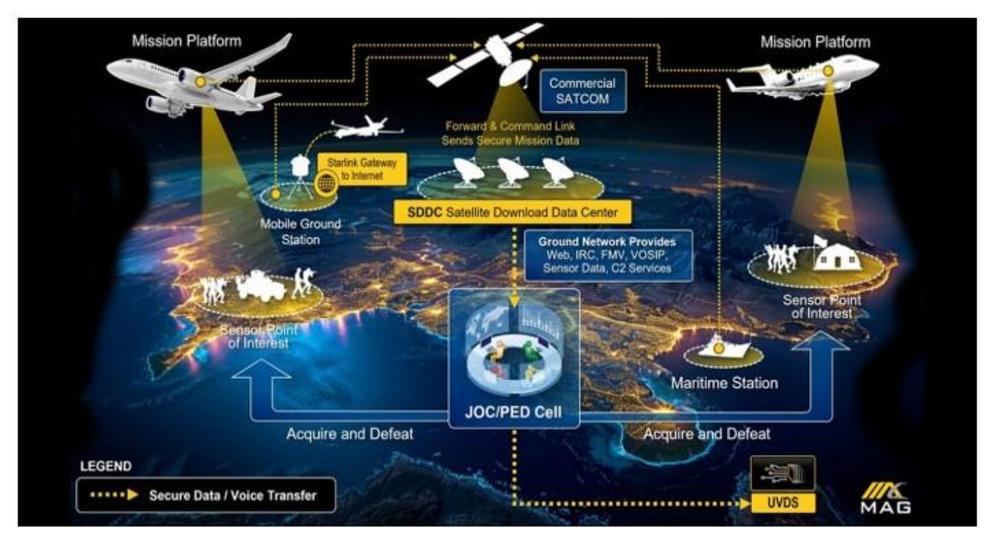
Academi in turn created a massive security conglomerate called Constellis with Triple Canopy and Olive Group. Today they operate globally, providing firearms training, site security, and crisis response. In other words, they run covert bases and operations.
The idea was to combine top-tier assets in the security industry. In a major consolidation, Academi merged with its rival Triple Canopy to form Constellis Holdings. Triple Canopy itself was a well-known private security firm founded by US Army Special Forces veterans in 2003. The company rapidly expanded by acquiring other key firms in the sector, including Olive Group and The Development Initiative (TDI).
Following financial tightening and a restructuring of government contracts, Constellis was acquired by an investor group led by Apollo Global Management. Today, Constellis provides a vast array of services ranging from physical armed security, canine training, and cyber mission support to, in their words, “global humanitarian and environmental remediation.”
G4S (Allied Universal)
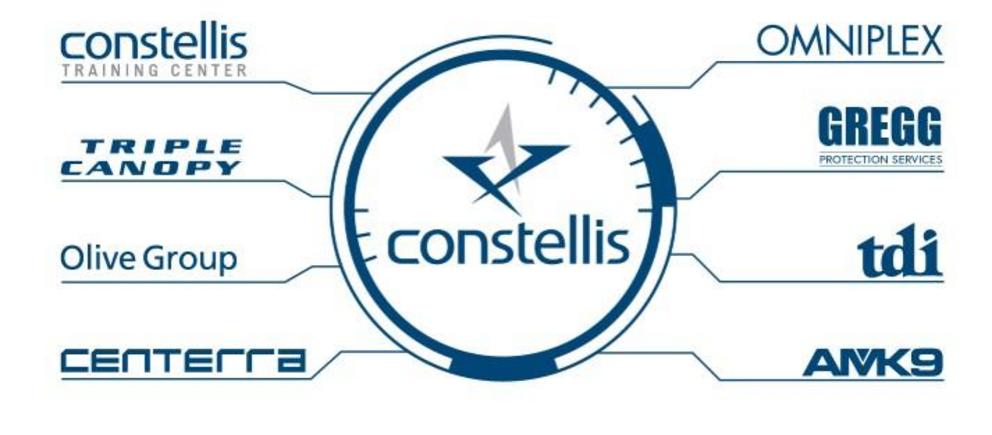
One of the largest private security forces on earth, G4S primarily focuses on risk management and asset protection. But their vast global footprint involves security operations in conflict-prone regions. The company began as Allied Security in 1957, a small professional guard service in Pittsburgh. In 2016, a massive merger occurred between AlliedBarton and Universal Services of America, forming the modern incarnation of Allied Universal.

MAG Aerospace
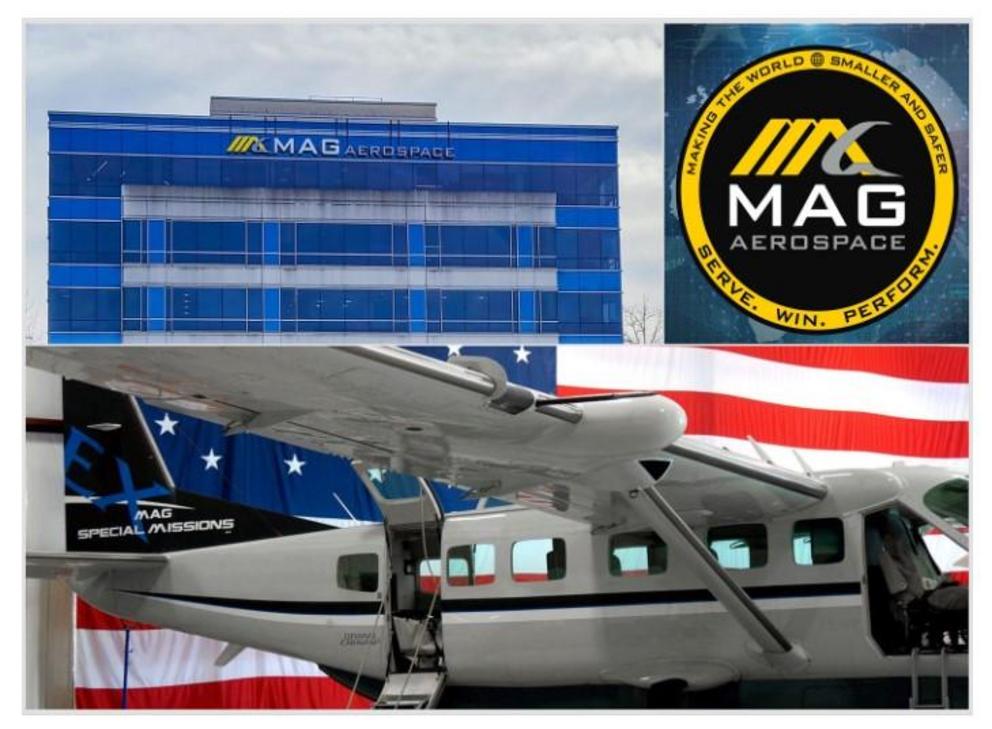
Headquartered in Fairfax, Virginia, MAG Aerospace specializes in C4ISR, the acronym for Command, Control, Communications, Computers, Intelligence, Surveillance and Reconnaissance, and provides military aviation support to “allied nations.” Founded in 2009 by former attorney and combat commander Joe Fluet, it grew rapidly through extensive private equity backing and strategic acquisitions.
In 2013, MAG Aerospace partnered with private equity firm Clairvest Group to help fund its expansion. The company scaled up rapidly, notably acquiring Avenge Inc. in 2017 to expand its fleet of manned and unmanned special mission aircraft. In 2018, private equity firm New Mountain Capital partnered with MAG Aerospace, facilitating further growth and capabilities expansion.
Northbridge Services Group
This international firm provides specialized tactical training, maritime anti-piracy, and operational security to sovereign states. Established around 2003 by former intelligence and special forces officers, including US Marine Lieutenant Colonel Robert W. Kovacic, Northbridge provides global military advisory, crisis management, intelligence support, and infrastructure protection to governments, corporations, and NGOs.
NSG has a strategic global footprint. Its corporate headquarters are in the United States, with executive offices in Kentucky and branch offices across Washington D.C., Virginia, North Carolina, and California. But it also operates heavily Outside the Continental United States (OCONUS), with a regional headquarter in Dubai and branches in Iraq, Poland, and Ghana. Personnel are drawn from the CIA, British Intelligence, US Army Special Forces, and British Royal Marine Commandos.
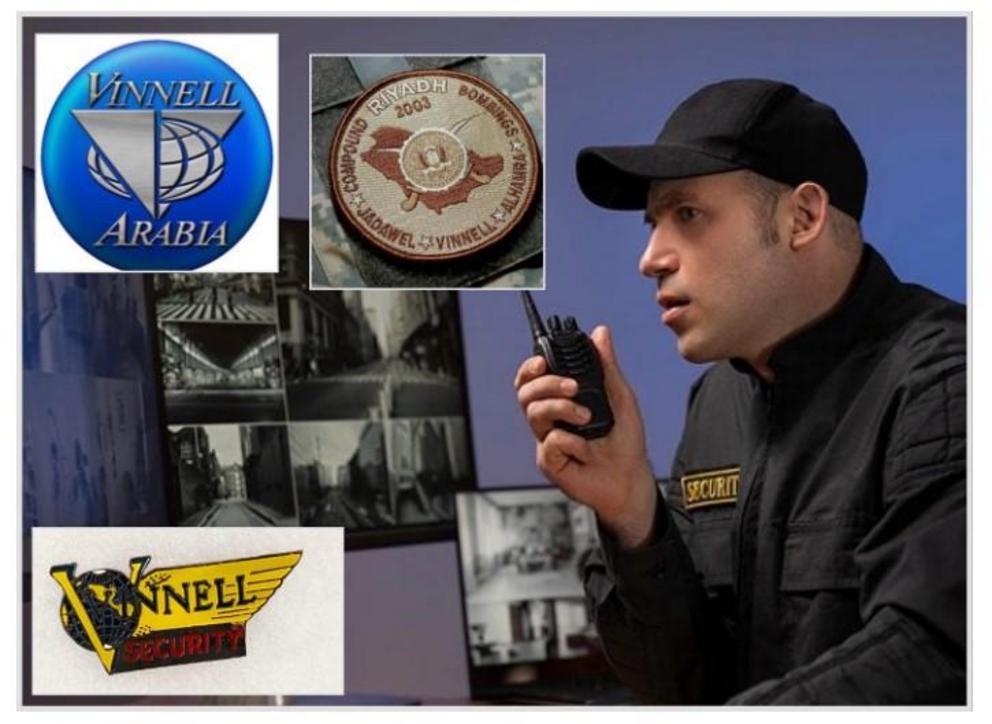
Vinnell Corporation
Allan S. Vinnell founded the company that bears his name in Alhambra, California, in 1931 as a hauling, excavating, and paving contractor. Vinnell grew rapidly, completing sections of the Pan-American Highway, portions of the Grand Coulee Dam, and the iconic Dodger Stadium in Los Angeles. During World War II and the Korean War, Vinnell diversified by performing military construction, base development, and aircraft overhauls in the Pacific (including Okinawa and Guam).
Vinnell heavily expanded into Southeast Asia during the 1960s, securing massive contracts to build military airfields and facilities for the US Navy and Military Assistance Command in Vietnam. The company also expanded into mining, steel production, and special operations.
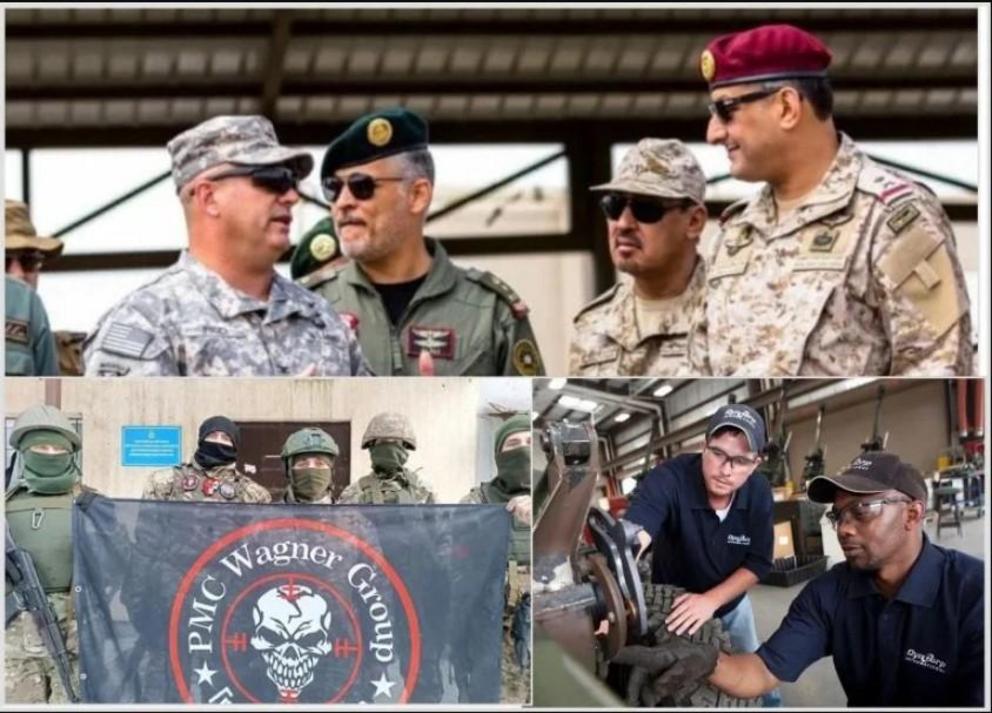
In 1975, Vinnell was awarded a massive contract (valued at over $500 million) by the US government to train the Saudi Arabian National Guard. The company recruited hundreds of American military veterans to train tens of thousands of Saudi soldiers in combat operations, anti-tank warfare, and physical security. The controversial but vital nature of this contract led media outlets to call Vinnell employees “executive mercenaries,” though at the time these executives maintained that they “train people to pull triggers, not pull them themselves.”
In the late 1970s and 1980s, Vinnell branched into vocational training, operating federal Job Corps centers across the United States. In 1992, Vinnell was purchased by BDM International. BDM was subsequently acquired by TRW Inc. in 1997, which was then absorbed by Northrop Grumman, one of the top five military contractors. Vinnell currently operates as part of Northrop Grumman’s joint venture, Vinnell Arabia, LLC, focusing on military training, logistics, and aviation support for the Saudi Air force.
Wagner Group
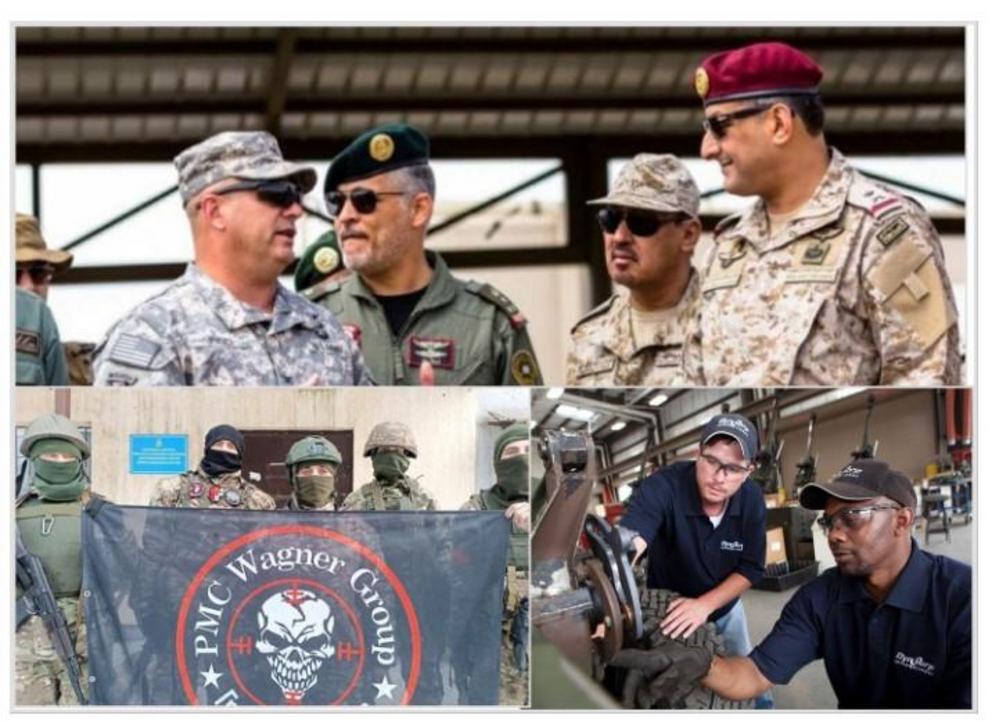
The final name on the top PMC list is a Russian paramilitary organization. While legally operating as a mercenary group, the Wagner Group has historically acted as an irregular combat proxy deployed in global conflicts. Their structure has shifted to tighter state control in recent years.
A state-funded Russian private military company, it was founded by former GRU officer Dmitry Utkin and oligarch Yevgeny Prigozhin. Functioning as a covert extension of Russian foreign policy, it transitioned from secret mercenary operations into a massive corporate-paramilitary enterprise before being restructured and subordinated to the Russian state.
Predecessor organizations like the Slavonic Corps operated in Syria before regrouping under Utkin. In 2014, it was officially launched during the annexation of Crimea and the Donbas conflict, providing plausible deniability for Russian operations. Over the next seven years, its operations expanded to the Middle East (Syria) and Africa (Libya, Sudan, CAR, Mali), trading military support for lucrative resource extraction and security contracts.
It officially registered as a “consulting business” in Russia in 2022, opening a formal corporate headquarters in St. Petersburg, and actively recruiting Russian prison inmates. After escalating tensions with the Russian Defense Ministry, there was a brief armed mutiny in June 2023. Prigozhin and Utkin died in a suspicious plane crash two months later, ending independent operations. The remnants of the group have been absorbed, dismantled, or reorganized under the Russian state, with some elements rebranded as the Africa Corps.
Next: How DynCorp Played the Privatization Game
*
Click the share button below to email/forward this article. Follow us on Instagram and X and subscribe to our Telegram Channel. Feel free to repost Global Research articles with proper attribution.
Greg Guma is a Vermont writer, former editor, and author of 15 books, including Managing Chaos: Adventures in Alternative Media. Visit the author’s blog. He is a regular contributor to Global Research.
All images in this article are from the author
Global Research is a reader-funded media. We do not accept any funding from corporations or governments. Help us stay afloat. Click the image below to make a one-time or recurring donation.
The original source of this article is Global Research
Copyright © Greg Guma, Global Research, 2026
For the rest of this article please go to source link below.