
What are humans designed to eat?
Metabolic Flexibility, Energetic Resilience, and the Modern Food Environment
INTRODUCTION
Modern nutrition debates have become increasingly polarized between low-fat, Mediterranean, plant-based, vegan, ketogenic, low-carbohydrate, and animal-based dietary models. Yet despite decades of nutritional guidelines and enormous scientific effort, chronic diseases-including obesity, type 2 diabetes, cardiovascular disease, autoimmune disorders, cancer, and neurodegenerative diseases-continue to rise globally.
This raises an important question:
What diets are actually most compatible with human physiology, metabolic biology, and long-term physiological resilience?
From an Integrative Orthomolecular Medicine (IOM) Systems Medicine perspective, nutrition should not be evaluated solely according to calories or isolated macronutrients, but according to broader systems-level effects on:
- metabolic flexibility,
- mitochondrial energetics,
- inflammatory regulation,
- nutrient density and bioavailability,
- toxicological burden,
- endocrine signaling,
- biological barrier integrity,
- and long-term energetic resilience.
Human physiology evolved under conditions of fluctuating food availability, intermittent fasting, prolonged physical exertion, and highly variable nutritional environments. As a result, humans developed remarkable metabolic flexibility-the ability to transition between glucose metabolism, fatty acid oxidation, and ketone utilization depending on energetic demands and nutrient availability.
Modern industrialized food systems differ profoundly from these ancestral conditions. Continuous feeding, ultra-processed foods, refined carbohydrates, industrial seed oils, circadian disruption, physical inactivity, and chronic hyperinsulinemia may progressively impair this adaptive fuel-switching capacity.
From a systems-level perspective, many chronic diseases may therefore reflect not simply isolated organ dysfunction, but progressive loss of metabolic flexibility and energetic resilience.
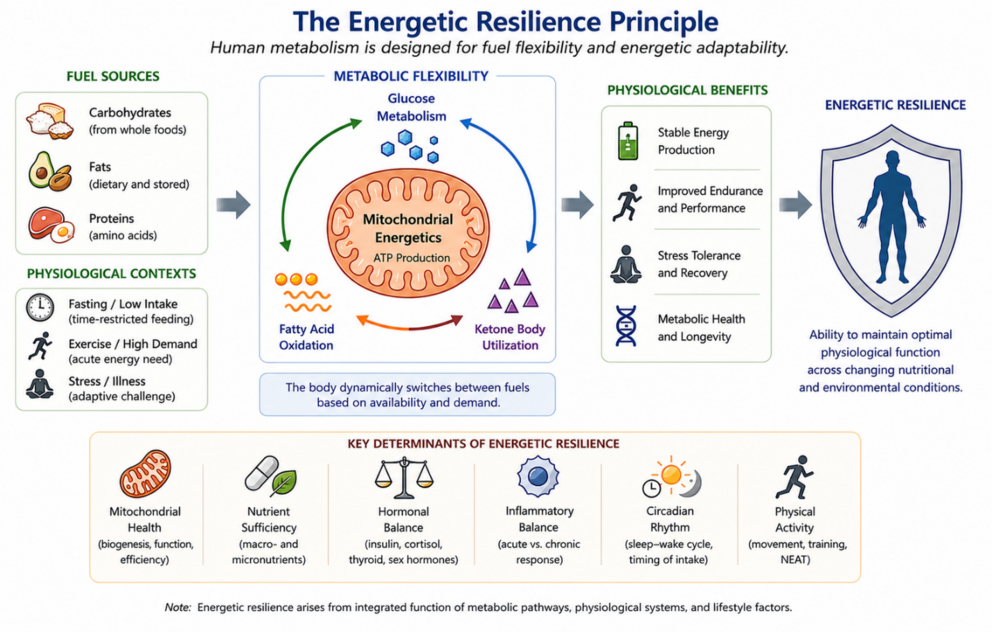
Figure 1. The Energetic Resilience Principle.
Human metabolism is inherently designed for flexible fuel utilization. Depending on nutrient availability and energetic demand, humans can transition between glucose metabolism, fatty acid oxidation, and ketone utilization to maintain stable energy production and physiological resilience. Adapted from Cheng RZ. What Are Humans Designed to Eat? An IOM Systems Medicine Framework for Dietary Compatibility, Nutrient Density, and Toxicological Burden. Preprints 2026, 2026050616. https://doi.org/10.20944/preprints202605.0616.v1
Fatty Acid Oxidation Is Normal Human Physiology
For many readers, the term "fatty acid oxidation" may initially sound harmful because the word "oxidation" is often associated with oxidative damage and free radicals.
However, fatty acid oxidation is actually the normal mitochondrial process by which humans convert stored fat into usable energy.
Fatty acid oxidation should not be confused with pathological oxidative stress. Rather, it is one of the body's most important energy-producing mechanisms and is essential for human survival during fasting, prolonged physical activity, and periods of reduced carbohydrate availability.
When food intake decreases-or when carbohydrate intake is reduced-the body begins breaking down stored fat (triglycerides) into fatty acids through a process called lipolysis. These fatty acids are then transported into mitochondria, where they undergo beta-oxidation to generate ATP, the body's primary energy currency.
At the same time, the liver can convert fatty acids into ketone bodies, including beta-hydroxybutyrate and acetoacetate. These ketones can then serve as highly efficient alternative fuels for the brain, skeletal muscle, and heart.
In other words, fatty acid oxidation and ketone utilization are not abnormal or dangerous metabolic states. They are normal components of human metabolic flexibility and evolutionary survival physiology.
Throughout most of human history, humans did not have constant access to food. Survival depended on the ability to maintain stable energy production during intermittent fasting, migration, hunting, environmental stress, illness, and fluctuating nutrient availability.
As a result, humans evolved remarkable fuel-switching capability-the ability to transition between glucose metabolism and fat-based metabolism depending on physiological conditions.
From an IOM Systems Medicine perspective, one major problem in the modern industrialized dietary environment is that many individuals gradually lose this metabolic flexibility due to:
- chronic hyperinsulinemia,
- continuous feeding patterns,
- ultra-processed foods,
- excessive refined carbohydrate intake,
- physical inactivity,
- circadian disruption,
- and persistent dependence on frequent glucose intake.
Over time, this may impair the body's ability to efficiently access stored fat for energy. Many individuals therefore become increasingly dependent on frequent carbohydrate intake simply to maintain perceived energy stability.
This loss of metabolic flexibility may contribute to:
- fatigue,
- unstable energy regulation,
- impaired endurance,
- insulin resistance,
- mitochondrial stress,
- chronic inflammation,
- and broader systems-level dysfunction.
Accordingly, the goal is not simply "low carbohydrate intake" alone. The deeper physiological objective is restoration of metabolic adaptability and energetic resilience-the ability to efficiently and safely transition between fuel systems without metabolic instability or "energy collapse."
Several lifestyle and physiological factors may help support this adaptive transition, including:
- reducing ultra-processed foods,
- lowering excessive refined carbohydrate exposure,
- improving nutrient density,
- preserving skeletal muscle mass,
- regular physical activity,
- restoring circadian alignment,
- maintaining appropriate fasting intervals,
- improving insulin sensitivity,
- and ensuring adequate micronutrient and mitochondrial support.
Within this framework, nutritional ketosis should not necessarily be viewed as an abnormal metabolic condition, but rather as part of normal human physiological adaptability.
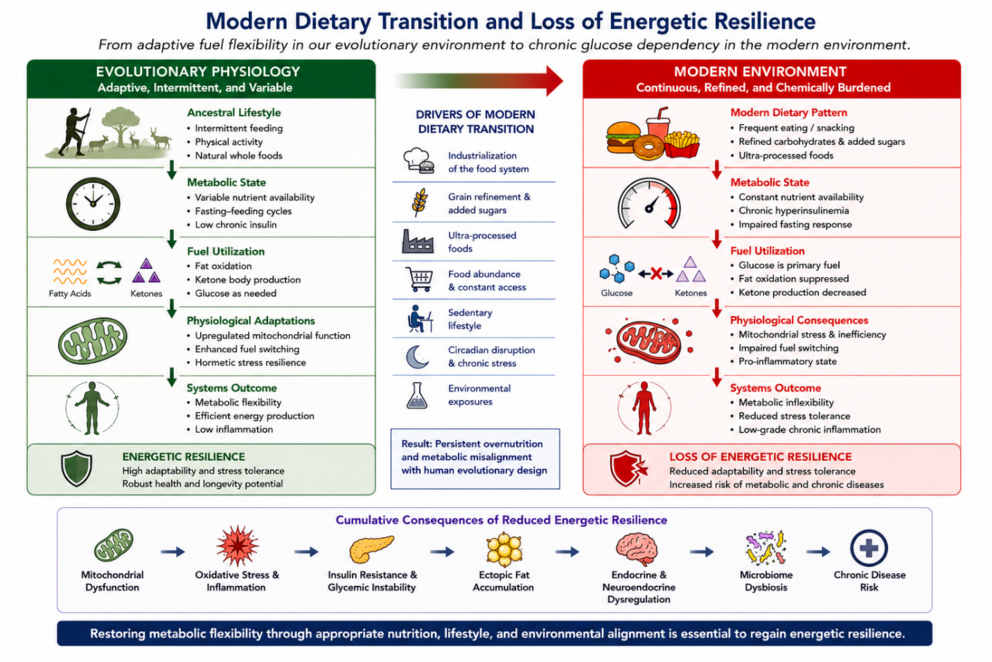
Figure 2. Modern Dietary Transition and Loss of Energetic Resilience.
Continuous refined carbohydrate exposure, ultra-processed foods, reduced fasting intervals, and sedentary lifestyles may progressively impair metabolic flexibility and mitochondrial resilience. Adapted from Cheng RZ. What Are Humans Designed to Eat? Preprints 2026.
For full references please use source link below.