
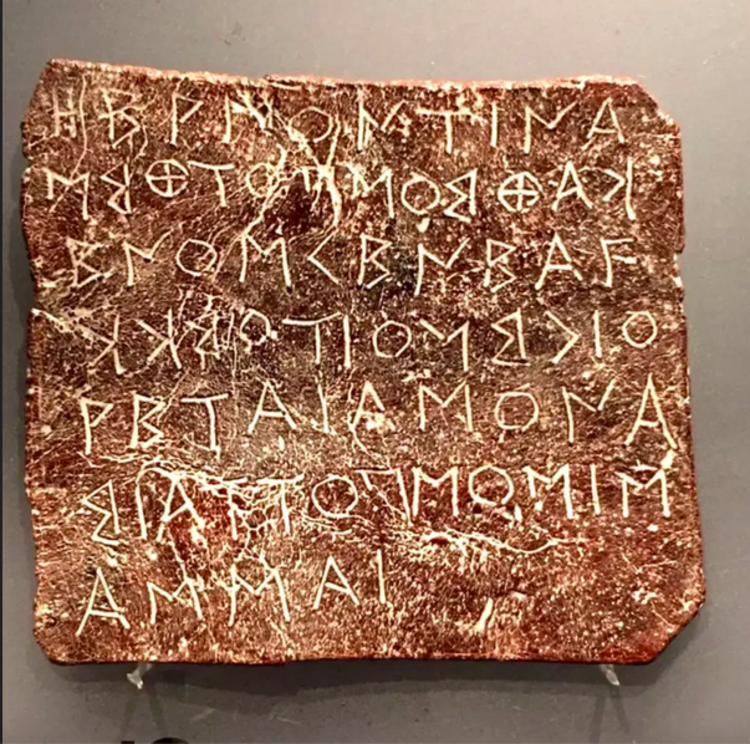
Epirote Oracle of Dodona: 2026 bronze tablets found
Nestled in a secluded, mist-shrouded valley at the foot of Mount Tomaros in the rugged highlands of Epirus, northwestern Greece, lies Dodona—the oldest and most mystically revered oracular sanctuary in the ancient Hellenic world. Long before the stone temples of Delphi rose to international prominence, ancient pilgrims journeyed to Dodona to consult a sacred, primordial oak tree believed to be the terrestrial dwelling place of Zeus Naios and his divine consort, Dione. The priests and priestesses, known respectively as the barefoot, ground-sleeping Selli and the Pleiades, interpreted the divine will through the rustling of the oak leaves, the flight of sacred doves, and the eerie, resonant chiming of bronze cauldrons suspended around the sacred precinct.
While historical accounts detailed these sensory rituals, the most intimate, human evidence of the oracle’s daily operation comes from thousands of small, folded lead strips upon which ordinary people scratched their deepest anxieties. However, a major discovery in 2026 completely transformed this landscape, as archaeologists unearthing a previously sealed subterranean votive deposit discovered a sensational cache of inscribed bronze tablets, opening a pristine, unprecedented window into the political and genetic history of the ancient Epirote tribes.
The 2026 Epigraphic and Archaeogenetic Revelations
While the previously known lead tablets primarily preserved the private, everyday worries of common pilgrims—such as inquiries about stolen property, marriage compatibility, or the manumission of slaves—the bronze tablets discovered in 2026 represented highly formal, official state consultations. Because bronze was a far more expensive, durable material than lead, these newly uncovered texts were commissioned exclusively by the ruling elites of the Epirote League and the royal Molossian dynasty. The inscriptions, written in various distinct northwest Greek dialects, detail critical geopolitical crises, ranging from urgent military alliances against the expanding power of Macedonia to direct diplomatic appeals to the gods during the chaotic Roman encroachments of the 2nd century BCE.
For the rest of this article please use source link below