
Could ancient civilizations have had technology more advanced than we imagine?
Imagine standing at the base of the Great Pyramid with your smartphone in your pocket and realizing, uncomfortably, that you can’t fully explain how people with copper tools pulled this off. That tension between what we think we know and what we can’t yet account for is driving a quiet shift in how scientists look at ancient technology. Around the world, a new generation of archaeologists, engineers, and physicists is revisiting old sites with new tools, asking a provocative question: did ancient civilizations develop forms of technology we still do not fully understand? The answer is not secret laser beams or buried microchips, but the emerging picture is more unsettling and inspiring than the usual myths. It suggests humans have been clever, experimental, and sometimes surprisingly sophisticated for far longer than our standard story admits.
The Hidden Clues
 The Hidden Clues (Image Credits: Unsplash)
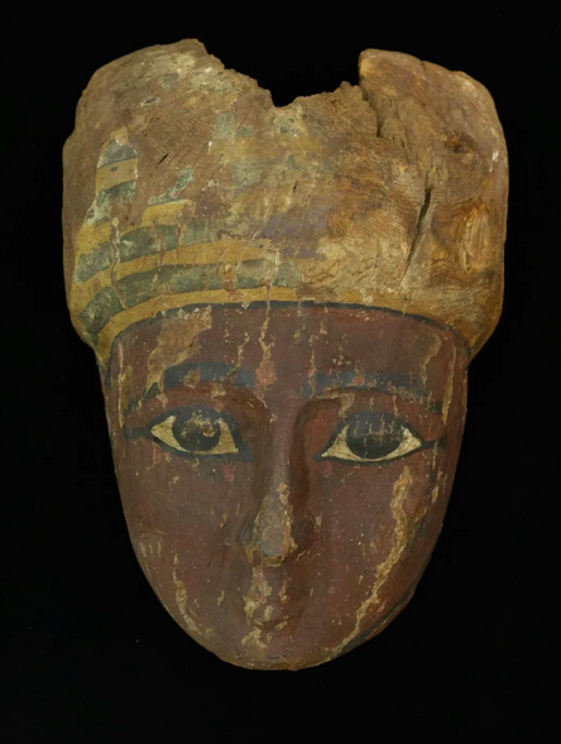
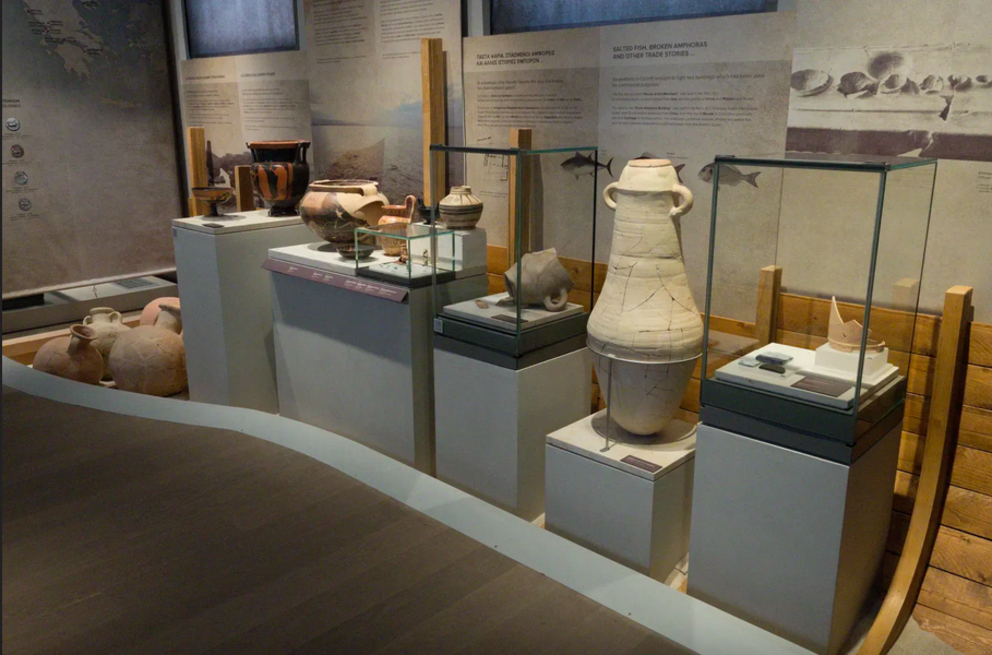
Walk through a museum of antiquities and, if you look closely, the objects almost talk back. You see Roman concrete harbor walls that have survived pounding waves for nearly two thousand years while some modern piers crumble within decades, hinting at chemical knowledge we only recently began to decode. You find delicate, gear‑like fragments pulled from the seabed near the Greek island of Antikythera, now widely recognized as parts of an ancient analog computer for tracking celestial motions. In Peru, polygonal stone walls hug earthquake‑prone hillsides so tightly that even a razor blade can’t slip between the blocks, suggesting a practical mastery of stone engineering that still puzzles structural engineers. These are not the calling cards of a species fumbling in the dark; they’re fingerprints of minds probing the limits of their world.
Other clues are quieter, almost mundane, and that makes them even more striking. Residues on pottery show that people in what is now China were brewing complex fermented drinks millennia ago, tailoring yeasts and grains in ways that look suspiciously like experimental biochemistry. Egyptian pigments and Maya dyes have proved so stable that their colors stay vivid under harsh tropical sunlight, revealing recipes that chemists today study as models for durable, non‑toxic materials. Even simple items like needles, looms, and fishing nets encode generations of refinement in design, strength, and ergonomics. None of these things are evidence of lost alien empires, but they do hint that our ancestors routinely built highly specialized, sometimes advanced technologies in the domains that mattered most to them.
From Megaliths to Micro‑Clues: What We Actually Know
 From Megaliths to Micro?Clues: What We Actually Know (Image Credits: Wikimedia)
If the internet loves anything, it’s a dramatic theory about ancient laser cutters building pyramids or forgotten worldwide empires leaving cryptic stone signatures. The reality is less cinematic but arguably more impressive. Large projects like the pyramids, Stonehenge, or the Nasca lines can be explained using well‑understood combinations of human labor, clever logistics, astronomy, and an almost obsessive willingness to plan over generations. Experimental archaeologists have repeatedly shown that with sledges, rollers, wooden cranes, and coordinated work crews, hauling enormous stones is exhausting but absolutely possible. The true surprise is not that it can be done, but that cultures were willing and organized enough to do it at that scale.
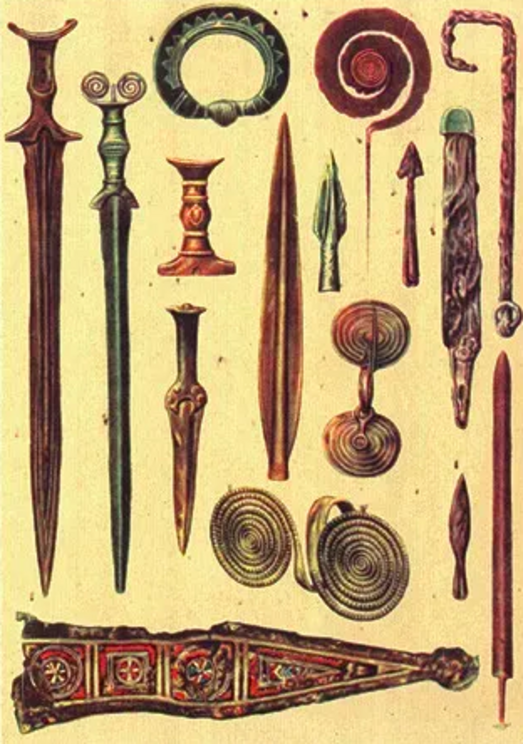
The micro‑evidence is where the story gets really interesting. Under microscopes and spectrometers, shards of pottery reveal controlled firing temperatures and tailored mineral blends that amount to early materials science. Metal artifacts show complex alloy recipes, like high‑phosphorus iron or bronze precisely tuned for flexibility or hardness, implying trial‑and‑error traditions handed down like family secrets. Even the layout of ancient cities, from the gridded streets of Mohenjo‑Daro to the engineered causeways of Teotihuacan, signals advanced urban planning and water management. When you piece these micro‑clues together, a pattern emerges: ancient societies often pushed their available tools, knowledge, and natural resources to surprisingly sophisticated limits.
When “Technology” Doesn’t Look Like Ours
 When “Technology” Doesn’t Look Like Ours (Image Credits: Wikimedia)
One of the biggest traps in this conversation is assuming that “advanced technology” has to mean gadgets, wires, and glowing screens. For a Bronze Age farmer, the most advanced device in the world might have been a well‑balanced plow that could turn heavy soil without snapping, or an irrigation canal that turned a floodplain into a predictable food machine. In that sense, many ancient cultures turned landscapes into tools, transforming hills, rivers, and coastlines into living infrastructure. Terraced fields in the Andes, qanat tunnels in ancient Persia, and rice paddies in East Asia are all examples of environmental engineering that rival contemporary projects in ambition and long‑term impact. They were not flashy, but they were transformative.
Knowledge‑based technologies were just as powerful, even if they left fewer physical traces. Astronomical observation systems, encoded in temple alignments and ritual calendars, allowed societies to track seasons, predict eclipses, and schedule planting and taxation with startling precision. Traditional navigation techniques in the Pacific, relying on subtle wave patterns, stars, and bird behavior, functioned as a human‑centric guidance system that needed no metal or fuel. These systems blur the line between culture, science, and technology, and they remind us that a civilization can be extremely advanced in information and systems thinking without producing anything that looks like a smartphone or rocket engine.
For the rest of this article please use source link below