
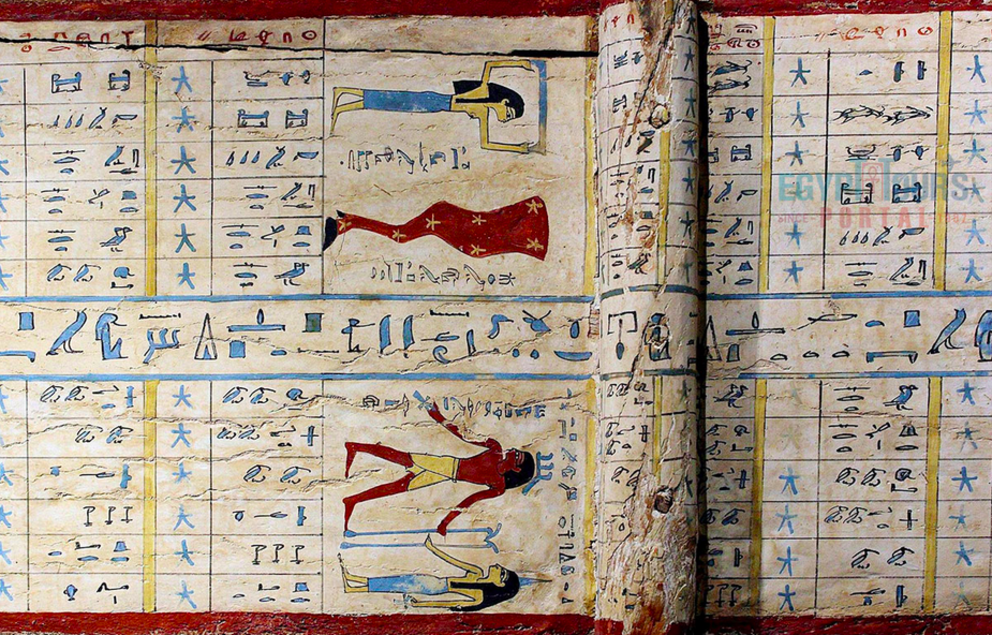
Ancient Egyptian farming: The calendar of the three seasons
Ancient Egyptian agricultural life was governed by a rigorous, three-season calendar dictated entirely by the annual inundation of the Nile. This cycle was so predictable and essential that it structured the entire Egyptian state, economy, and religious belief system.
The Three Seasons
Akhet (Inundation / Flood): Lasting roughly from mid-July to mid-November, this season began when the star Sirius rose in the predawn sky, signaling the start of the Nile’s flood. The river overflowed its banks, depositing nutrient-rich black silt (kemet) across the valley floor. During this time, direct farming was impossible, and the labor force was redirected to state projects, such as building temples and pyramids.
Peret (Emergence / Growth): Spanning mid-November to mid-March, this was the primary planting and growing season. As the floodwaters receded, the silt-covered soil was moist and easy to plow. Farmers used wooden plows pulled by oxen to sow wheat, barley, and flax. This was a critical period for managing irrigation canals and dikes to ensure the receding water reached all fields.
Shemu (Harvest / Drought): From mid-March to mid-July, the heat intensified and the Nile reached its lowest levels. This was the most labor-intensive season, involving the harvesting of crops, threshing, and winnowing. It was also the period of the "harvest tax," where state scribes measured the grain yields to determine taxation, often tied to the level of the previous year's flood.
For the rest of this article please use source link below